
Non-Owner SR-22 Insurance — Texas
Free to compare
Why Texas Requires SR-22 When You Don't Own a Car
Your license was suspended for DWI, uninsured driving, or excessive violations. You sold your car months ago or never owned one. Now Texas DPS says you need SR-22 proof of financial responsibility to reinstate—even though you have nothing to insure. This contradiction trips thousands of Texas drivers every year, and DPS rejection letters offer zero clarity on how to proceed.
SR-22 is not insurance—it's a continuous liability guarantee filed electronically with DPS by a licensed carrier. Texas Transportation Code §601.153 mandates SR-22 for specific suspension triggers regardless of vehicle ownership. Non-owner SR-22 policies exist precisely for this scenario: they provide the state-minimum liability coverage ($30,000 bodily injury per person / $60,000 per accident / $25,000 property damage) without insuring a specific vehicle. The policy covers you when driving any non-owned vehicle with permission.
“Listing household vehicle access on a non-owner application triggers automatic denial and routes you to standard policies at double the premium.”

Line Up Texas Coverage Before Reinstatement
Get My Texas Suspended License Insurance Quote$25–$45/mo
Non-Owner SR-22 Premium Texas
Monthly cost for Texas non-owner SR-22 policies varies by violation type and carrier. DWI cases typically hit the top of the range; uninsured driving or points-only suspensions land lower. These rates assume no vehicle access; declaring household vehicle access pushes you into standard SR-22 tier at $140–$220/mo.
Estimates based on available industry data; individual rates vary.
What Non-Owner SR-22 Actually Covers
Non-owner policies provide liability coverage when you drive someone else's car with permission—a friend's vehicle, a rental, a Zipcar, a borrowed work truck. The coverage follows you, not a vehicle. If you cause an accident while driving a non-owned vehicle, the policy pays the other party's medical bills and property damage up to Texas minimums.
The policy does NOT cover: vehicles you own (even if titled to someone else but you have regular access), vehicles in your household (spouse's car, parent's car you live with), vehicles you use for business purposes (Uber, Lyft, delivery), rental reimbursement, collision/comprehensive on the vehicle you're driving, or your own medical bills unless you add optional medical payments coverage. Misunderstanding these exclusions causes application denial.
Texas carriers underwrite non-owner policies assuming you have zero regular vehicle access. If you list a household vehicle on the application or DPS records show a vehicle registered to your address, the carrier rejects the application and directs you to standard SR-22 with named-vehicle coverage. This rejection adds 7–14 days to your timeline and you lose the lower non-owner rate.
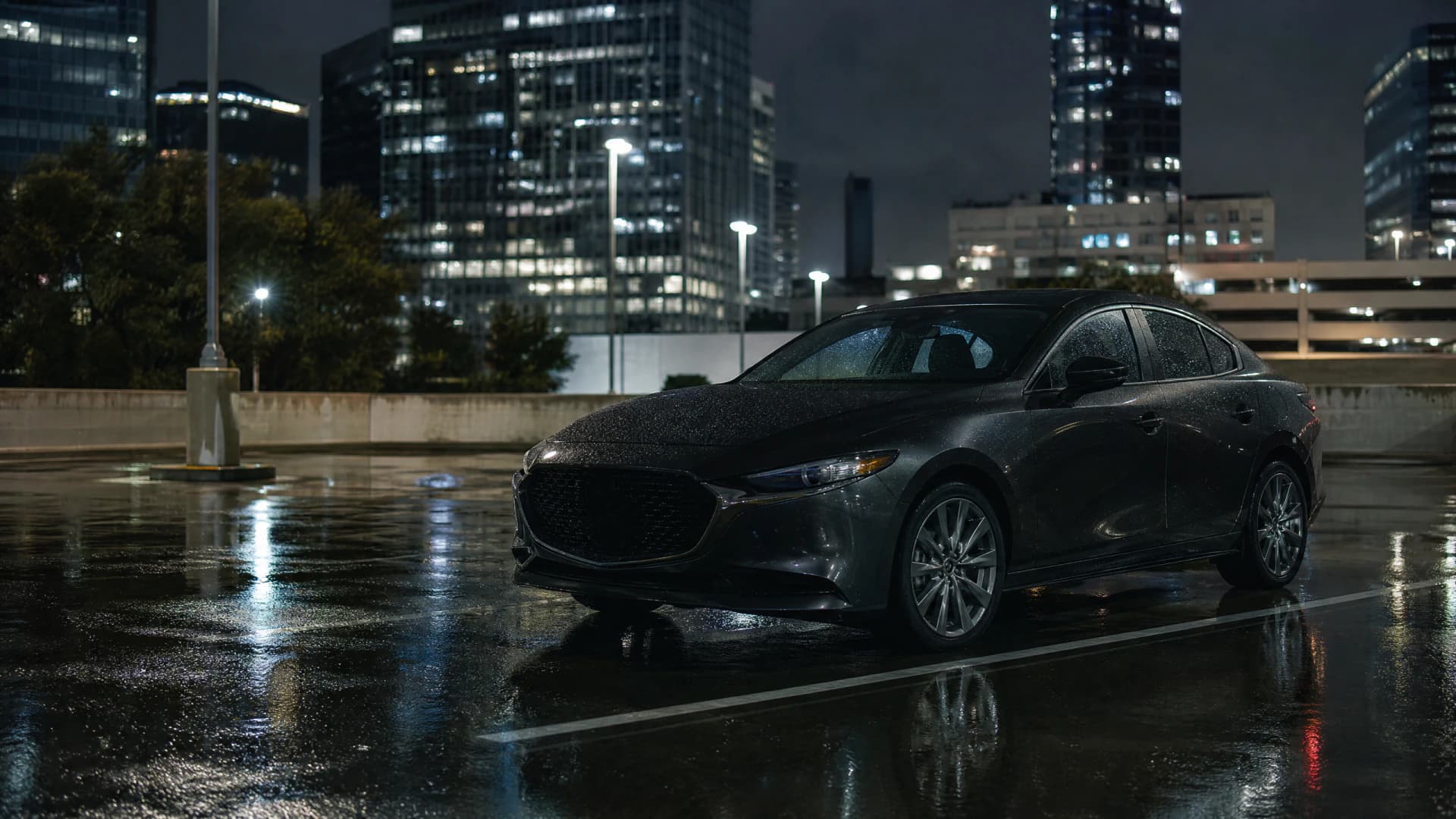
Listing household vehicle access on a non-owner SR-22 application triggers automatic denial. Carriers flag this as misrepresentation and route you to standard policies at double the premium.



When Non-Owner Policies Won't Work for Your Situation
If you live with someone who owns a vehicle—parent, spouse, roommate—and you have access to that vehicle even occasionally, most Texas carriers will not write a non-owner policy. The household exclusion exists because the carrier cannot verify you won't drive the household vehicle, creating uninsured exposure. Your options: get added to the household vehicle's policy with SR-22 endorsement (their premium increases), have the vehicle owner add a named-driver exclusion barring you from driving their car (you sign an exclusion form and cannot legally drive that vehicle), or move to a different address with no vehicle access and apply for non-owner after 30 days at the new address.
Occupational Driver License holders face additional restrictions. If your ODL court order specifies you may only drive a particular vehicle (employer's vehicle, for example), you cannot use a non-owner policy—the ODL ties you to a specific VIN and the carrier must insure that vehicle by identification number. Non-owner policies do not insure specific vehicles by VIN, creating a legal mismatch. In this case, your employer must add you to their commercial policy or you must lease/borrow a specific vehicle and insure it under standard SR-22 with that VIN listed.
2 years
Texas SR-22 Filing Duration
Texas Transportation Code §601.153 requires SR-22 filing for 2 years from reinstatement date for most DWI and liability-related suspensions. The clock starts when DPS processes your reinstatement, not when the carrier files SR-22. If the policy lapses or cancels during the 2-year period, the carrier notifies DPS electronically and your license suspends again within 10 days.
Texas Transportation Code §601.153
What Happens After You Buy the Policy
The carrier files SR-22 electronically with DPS within 1–3 business days of your first payment. DPS processes the filing within 2–5 business days and updates your eligibility record. You cannot reinstate until DPS shows SR-22 on file—calling DPS at 512-424-2600 confirms filing status faster than waiting for mail. Once SR-22 posts, you still must pay the $125 reinstatement fee, complete any required DWI education or victim impact panel, satisfy any outstanding surcharges or judgments, and appear in person at a DPS driver license office to reinstate. The SR-22 filing alone does not restore your license.
Keep the policy active for the full 2-year period without lapses. Missing a payment triggers automatic SR-22 cancellation notice to DPS—the carrier is legally required to notify within 10 days of lapse, and DPS suspends your license again immediately. Reinstatement after SR-22 lapse requires starting over: new policy, new SR-22 filing, new reinstatement fee, and the 2-year clock resets from the new reinstatement date. Set up autopay and confirm the payment method stays current.
Finding Carriers That Write Non-Owner SR-22 in Texas
Not every carrier offering standard SR-22 writes non-owner policies. GEICO, Progressive, Dairyland, The General, GAINSCO, and Bristol West all write non-owner SR-22 statewide in Texas and provide same-day electronic filing. State Farm writes non-owner policies but eligibility depends on violation type—DWI cases often get declined. Allstate, Farmers, and Liberty Mutual generally do not offer non-owner products in Texas as of current underwriting guidelines. Call the carrier directly and request a non-owner SR-22 quote by phone—online quote tools typically don't surface the non-owner option and route you to standard auto instead, wasting time with an unusable quote.
Expect the application to ask: Do you own a vehicle? Do you live with anyone who owns a vehicle? Do you have regular access to any vehicle? Have you had insurance in the last 30 days? What is your suspension reason and conviction date? Answer these accurately—carriers cross-check your answers against DPS records and vehicle registration databases. Inconsistencies trigger underwriting holds that delay filing by 5–10 business days while the carrier investigates, pushing you past your reinstatement deadline if you're working against a court date or probation condition.
Compare Non-Owner SR-22 Carriers Before You Commit
Monthly premiums for identical coverage vary by $15–$30 between Texas carriers writing non-owner SR-22. Dairyland and The General often quote lowest for DWI cases; GEICO and Progressive trend lower for points-only or uninsured driving suspensions. Payment plans matter—some carriers require 3 months upfront, others allow monthly electronic debit. Down payment ranges from $75 to full first-month premium depending on violation severity and carrier risk tier. Compare at least three quotes with identical coverage limits and confirm each carrier will file SR-22 electronically within 48 hours of payment. Request written confirmation of filing date before you pay—you need that date to calculate your earliest possible reinstatement window with DPS.
How to Apply Without Getting Denied
Start by confirming you qualify: no vehicle titled in your name, no vehicle registered to your address, no regular access to a household member's vehicle. If your spouse owns a car you both drive, you do not qualify for non-owner rates—you need a named-driver exclusion on their policy or your own standard SR-22 policy. Carriers verify vehicle ownership through DPS registration databases; lying about this produces a denial letter citing misrepresentation. If you share an address with a vehicle owner, expect underwriting questions about access—answer honestly or risk rejection.
Apply through carriers licensed to write non-owner SR-22 in Texas: Progressive, GEICO, Dairyland, The General, GAINSCO, and Bristol West all offer non-owner policies statewide. Request non-owner SR-22 coverage explicitly—generic online quote tools default to standard auto and won't surface the non-owner option. Provide your DPS suspension notice, conviction date if applicable, and current driver license number. The carrier files SR-22 electronically with DPS within 1–3 business days of payment. Confirm the filing transmitted successfully by calling DPS Driver License Reinstatement at 512-424-2600 after 48 hours.
Get Your Free Quote
Get My Texas Suspended License Insurance QuoteFrequently Asked Questions
Can I get non-owner SR-22 if I live with someone who owns a car?
Most Texas carriers deny non-owner applications if you live with a vehicle owner and have access to that vehicle. Your options: get added to their policy with SR-22 endorsement, have them add a named-driver exclusion barring you from their car, or move to an address with no vehicle access. Carriers verify household vehicle ownership through DPS registration records.
How long does it take for SR-22 to show up in the DPS system?
Carriers file SR-22 electronically with DPS within 1–3 business days of payment. DPS processes the filing within 2–5 business days. Call DPS Driver License Reinstatement at 512-424-2600 after 48 hours to confirm the filing posted—waiting for mail adds unnecessary delay to your reinstatement timeline.
What happens if I miss a payment on my non-owner SR-22 policy?
The carrier notifies DPS electronically within 10 days of lapse, and DPS suspends your license again immediately. Reinstatement after SR-22 lapse requires a new policy, new filing, new $125 reinstatement fee, and the 2-year SR-22 period resets from the new reinstatement date. Set up autopay to avoid this.
Does non-owner SR-22 cover me when I rent a car in Texas?
Yes. Non-owner policies provide liability coverage when you drive any non-owned vehicle with permission, including rental cars. The policy does not cover collision or comprehensive damage to the rental vehicle itself—rental agencies offer separate damage waivers for that. Your non-owner SR-22 satisfies the rental agency's liability insurance requirement.
Can I use a non-owner policy if my Occupational Driver License restricts me to one vehicle?
No. If your ODL court order specifies a particular vehicle by VIN, you cannot use a non-owner policy—the ODL ties you to that specific vehicle and the carrier must insure it by identification number. Non-owner policies do not insure specific vehicles, creating a legal mismatch. Your employer must add you to their policy or you must insure the specified vehicle under standard SR-22.
How much does non-owner SR-22 cost compared to standard SR-22 in Texas?
Non-owner SR-22 policies cost $25–$45/mo in Texas; standard SR-22 with a named vehicle costs $140–$220/mo. The difference reflects the carrier's lower risk—non-owner policies cover occasional driving of non-owned vehicles, while standard policies cover a specific vehicle you own or have regular access to. Declaring household vehicle access disqualifies you from non-owner rates.
Which Texas carriers write non-owner SR-22 policies statewide?
GEICO, Progressive, Dairyland, The General, GAINSCO, and Bristol West all write non-owner SR-22 statewide in Texas and provide same-day electronic filing. State Farm writes non-owner policies but often declines DWI cases. Call carriers directly for quotes—online tools typically don't surface the non-owner option and route you to standard auto instead.