
Cheapest Non-Owner SR-22 Insurance After DUI — Texas
Free to compare
Why Standard SR-22 Quotes Don't Apply When You Don't Own a Car
You lost your license after a DWI arrest in Texas. The court ordered SR-22 filing for two years under Texas Transportation Code §601.153. You don't own a vehicle right now — maybe you sold it before the suspension, maybe you're borrowing rides, maybe you're planning to buy one later. Every online quote tool assumes you own a car and returns rates in the $180–$340/month range. Those quotes are for the wrong product.
Non-owner SR-22 policies exist specifically for drivers who need to maintain financial responsibility filing without insuring a vehicle. They cost 60–70% less than standard policies because they exclude collision and comprehensive coverage — you're buying only the liability protection Texas requires. The catch: most carriers don't advertise non-owner policies on their quote pages, and six carriers in Texas actually write them consistently for post-DWI drivers.
“Non-owner SR-22 stops working the moment you buy a vehicle — switch to standard coverage before the first drive or your license suspends again.”
Line Up Texas Coverage Before Reinstatement
Get My Texas Suspended License Insurance Quote$35–$65/mo
Texas Non-Owner SR-22 Range
Non-owner SR-22 premiums in Texas for drivers with a single DWI conviction typically run $35–$65 per month compared to $180–$340/month for standard vehicle policies. The spread reflects liability-only coverage with state minimum limits ($30,000/$60,000/$25,000) and no vehicle damage protection.
Carrier rate filings and Texas non-standard auto market data, 2025
What Non-Owner SR-22 Actually Covers in Texas
A non-owner policy provides liability coverage when you drive a borrowed or rented vehicle. It pays for injury and property damage you cause to others — the same coverage a standard policy provides, just without the collision/comprehensive component that protects your own vehicle. Texas state minimums apply: $30,000 per person injured, $60,000 per accident, $25,000 property damage.
The SR-22 certificate attached to the policy proves continuous coverage to the Texas Department of Public Safety. DPS requires the SR-22 filing for two years from your reinstatement date. If the policy lapses or cancels, the carrier notifies DPS electronically within 10 days and your license suspends again immediately — there is no grace period under the TexasSure verification system.
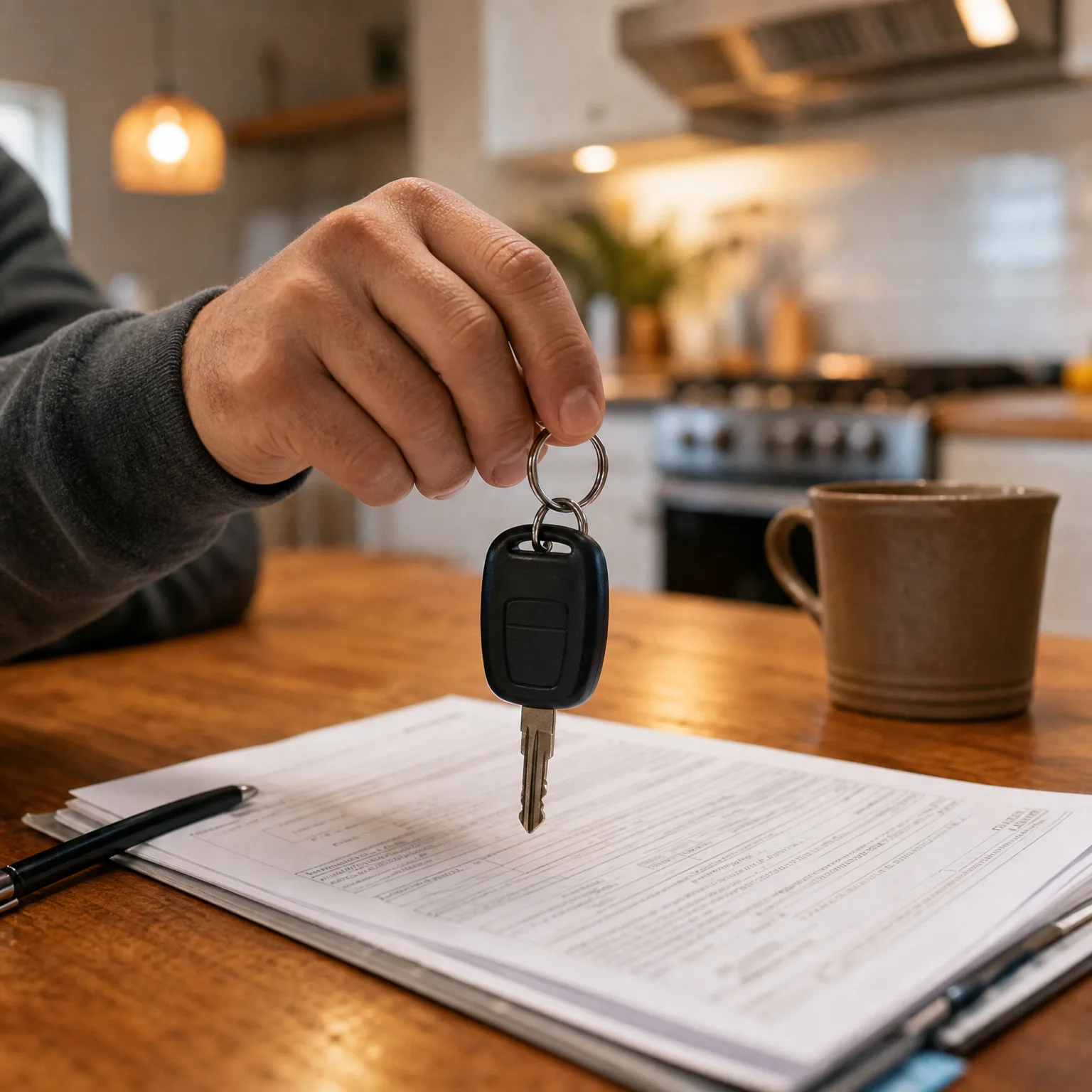
Non-owner policies exclude coverage for vehicles you own, vehicles registered to you, vehicles you use regularly (defined as more than twice per month), and vehicles furnished for your regular use by a household member or employer. If you later purchase a vehicle, you must switch to a standard policy with SR-22 before you drive it — the non-owner policy will not cover that vehicle and DPS will suspend your license if you're caught driving uninsured.
Non-owner SR-22 stops working the moment you buy or register a vehicle — switch to standard SR-22 before the first drive or DPS suspends your license again.



How DWI Conviction Timing Affects Non-Owner SR-22 Rates
Carriers price non-owner SR-22 based on how long ago your DWI conviction occurred. Convictions less than 12 months old place you in the highest-risk tier — expect rates at the top of the $35–$65 range or outright declination from preferred carriers like Geico and Progressive. Convictions 12–36 months old move you into mid-tier pricing. Convictions older than 36 months may qualify for standard non-owner rates if no other violations appear on your record.
Texas counts DWI suspensions from the conviction date under the criminal track, but the Administrative License Revocation (ALR) suspension runs independently from your arrest date under Texas Transportation Code Chapter 724. If you're still within the ALR suspension window, some carriers decline to quote until that suspension clears. Others will quote but price the policy as if both suspensions are active, which pushes premiums toward the higher end of the range.
A second DWI within five years triggers higher premiums across all carriers — expect $70–$90/month for non-owner SR-22 and potential declination from all but Dairyland, GAINSCO, and The General. Texas counts prior DWIs for 10 years under its lookback window, so older convictions still affect pricing even if they're beyond the SR-22 filing period.
2 years
Texas SR-22 Filing Duration
Texas requires SR-22 filing for two years from the reinstatement date after a DWI conviction under Transportation Code §601.153. The clock starts when DPS reinstates your license, not when you obtain the policy. Any lapse triggers immediate re-suspension and restarts the two-year period from zero.
Texas Transportation Code §601.153

County-Specific Premium Variation Across Texas
Non-owner SR-22 premiums vary by county due to local claim frequency and liability costs. Harris County (Houston), Dallas County, and Bexar County (San Antonio) carry the highest non-owner rates — expect the top of the $35–$65 range due to dense traffic and higher injury claim severity. Travis County (Austin) and Tarrant County (Fort Worth) fall in the middle of the range.
Rural counties in West Texas, the Panhandle, and East Texas typically see the lowest non-owner SR-22 premiums — $35–$45/month is common in counties like Midland, Ector, Potter, and Gregg. Carriers price based on ZIP code claim data, so moving from Houston to a rural county can drop your premium by $15–$20/month even with the same DWI conviction on record.
What Happens When You Buy a Vehicle Mid-Policy
The moment you purchase or register a vehicle in Texas, your non-owner SR-22 policy stops covering you. Texas law requires liability coverage on the specific vehicle you're driving, and non-owner policies explicitly exclude owned vehicles. If you drive your newly purchased car under a non-owner policy and cause an accident, the carrier will deny the claim and DPS will suspend your license for driving uninsured.
Contact your carrier the day you buy the vehicle — before you drive it off the lot. The carrier will convert your non-owner policy to a standard policy with SR-22, adding collision and comprehensive coverage if you finance the vehicle. Expect your premium to jump from the $35–$65/month non-owner range to $180–$340/month for a standard policy, depending on the vehicle's value and your coverage selections. The SR-22 filing transfers seamlessly to the new policy with no gap, so DPS never receives a lapse notice.
If you're planning to buy a vehicle within the next six months, some drivers choose to start with a non-owner policy to satisfy the SR-22 requirement immediately, then switch when they purchase. This approach works if you're borrowing rides or using public transit in the interim. Carriers allow mid-term policy conversions without penalty — you're not locked into the non-owner product for the full term.
Six Texas Carriers Writing Non-Owner SR-22 After DWI
Dairyland writes non-owner SR-22 statewide and explicitly markets to high-risk drivers. Monthly premiums for post-DWI drivers typically fall in the $40–$60 range depending on county and time since conviction. Dairyland's online quote tool includes a non-owner option — you don't need to call. Underwriter is Dairyland Insurance Company NAIC 20346, AM Best B++ rating. GAINSCO specializes in non-standard auto and writes non-owner SR-22 across Texas through independent agents. Premiums run $35–$55/month for drivers with a single DWI. GAINSCO requires an agent — no direct online purchase. NAIC 40150, AM Best A- rating.
Progressive offers non-owner policies through its standard quote process but underwriting is stricter for DWI cases — expect $50–$70/month and potential declination if the conviction is less than 12 months old. NAIC 24260, AM Best A+ rating. The General writes non-owner SR-22 for high-risk drivers with monthly rates in the $45–$65 range. The General's online system handles non-owner quotes directly. Underwriter is Old American County Mutual Fire Insurance Company. Geico writes non-owner policies but SR-22 availability for DWI drivers varies by underwriting review — some applicants are declined. When approved, rates run $55–$75/month. Bristol West (underwritten by Security National Insurance Co NAIC 33120) writes non-owner SR-22 through independent agents only. Premiums typically $50–$70/month for post-DWI drivers.
Get Your Free Quote
Get My Texas Suspended License Insurance QuoteFrequently Asked Questions
Can I get non-owner SR-22 insurance in Texas if I have a DWI?
Yes. Six carriers write non-owner SR-22 for Texas drivers with DWI convictions: Dairyland, GAINSCO, Progressive, The General, Geico, and Bristol West. Monthly premiums typically run $35–$65 depending on how long ago the conviction occurred and your county. Convictions less than 12 months old may face declination from Geico and Progressive.
How much does non-owner SR-22 cost in Texas after a DUI?
Non-owner SR-22 in Texas costs $35–$65 per month for drivers with a single DWI conviction, compared to $180–$340/month for standard vehicle policies. Rates depend on county, time since conviction, and carrier. Harris County, Dallas County, and Bexar County see the highest premiums; rural West Texas and Panhandle counties see the lowest.
What happens to my non-owner SR-22 when I buy a car in Texas?
Your non-owner SR-22 policy stops covering you the moment you purchase or register a vehicle. Contact your carrier before driving the new vehicle to convert the policy to a standard SR-22 policy with vehicle coverage. If you drive under the non-owner policy, the carrier denies claims and DPS suspends your license for driving uninsured.
Does non-owner SR-22 cover me when I borrow someone else's car in Texas?
Yes, as long as you don't use the vehicle regularly. Non-owner SR-22 provides liability coverage when you drive a borrowed or rented vehicle. Regular use is defined as more than twice per month — if you borrow the same car more frequently, the policy excludes coverage and you need to be added to the owner's policy.
How long do I need to keep SR-22 insurance in Texas after a DWI?
Texas requires SR-22 filing for two years from your reinstatement date after a DWI conviction under Transportation Code §601.153. The clock starts when DPS reinstates your license, not when you buy the policy. Any lapse during the two years triggers immediate re-suspension and restarts the period from zero.
Will Geico or State Farm write non-owner SR-22 in Texas after DWI?
Geico writes non-owner SR-22 in Texas but underwriting reviews each DWI case individually — some applicants are declined, especially if the conviction is less than 12 months old. State Farm writes SR-22 but does not consistently offer non-owner policies for post-DWI drivers. Dairyland, GAINSCO, and The General are more reliable options.