
Cheapest SR-22 Insurance After DWI — Texas
Free to compare
Why Your SR-22 Quote Feels Like a Penalty
You got a DWI conviction. Texas suspended your license for 90 days minimum. The reinstatement letter from DPS says you need SR-22 insurance for two years before you can drive legally again. You called your current carrier—State Farm, Allstate, maybe Farmers—and they either dropped you outright or quoted you $400/month when you were paying $110 before the conviction.
Here's the structural confusion: SR-22 is not insurance. It's a certificate your insurer files with Texas DPS proving you carry at least the state minimum liability coverage ($30,000 per person, $60,000 per accident, $25,000 property damage). The filing itself costs $15 to $50 depending on carrier. What actually costs money is the auto insurance policy behind the SR-22—and that policy is expensive after a DWI because you're now classified as high-risk. Most drivers don't understand this split, so they accept the first quote they get without realizing dozens of non-standard carriers in Texas specialize in post-DWI coverage at rates 30 to 50 percent lower than the standard-market quote.
“SR-22 is a filing, not a policy type—most drivers overpay by buying separate SR-22 coverage when their carrier could file it for $25.”

Line Up Texas Coverage Before Reinstatement
Get My Texas Suspended License Insurance Quote$15–$50
Texas SR-22 Filing Fee
The SR-22 certificate itself is an administrative filing, not a coverage add-on. Most carriers charge $15 to $35; a few charge up to $50. This is a one-time or annual fee separate from your premium. The policy premium is where the real cost lives.
Texas Department of Public Safety SR-22 filing requirements
What SR-22 Actually Requires in Texas
Texas Transportation Code §601.153 requires SR-22 filing for two years after a DWI conviction, measured from the date DPS processes your reinstatement—not from your conviction date or suspension start date. You must maintain continuous coverage during those two years. If your policy lapses for any reason (missed payment, cancellation, non-renewal), your carrier is legally required to notify DPS electronically within 10 days. DPS will suspend your license again immediately, and you'll pay the $125 reinstatement fee a second time to get it back.
The SR-22 does not change what your policy covers. You still need liability coverage at minimum. You can add collision, comprehensive, or uninsured motorist coverage on top if you own a financed vehicle or want broader protection, but the SR-22 filing itself only certifies that you carry liability at the state minimums. Many drivers mistakenly believe SR-22 is a special high-risk policy type and end up paying for duplicate coverage they don't need.
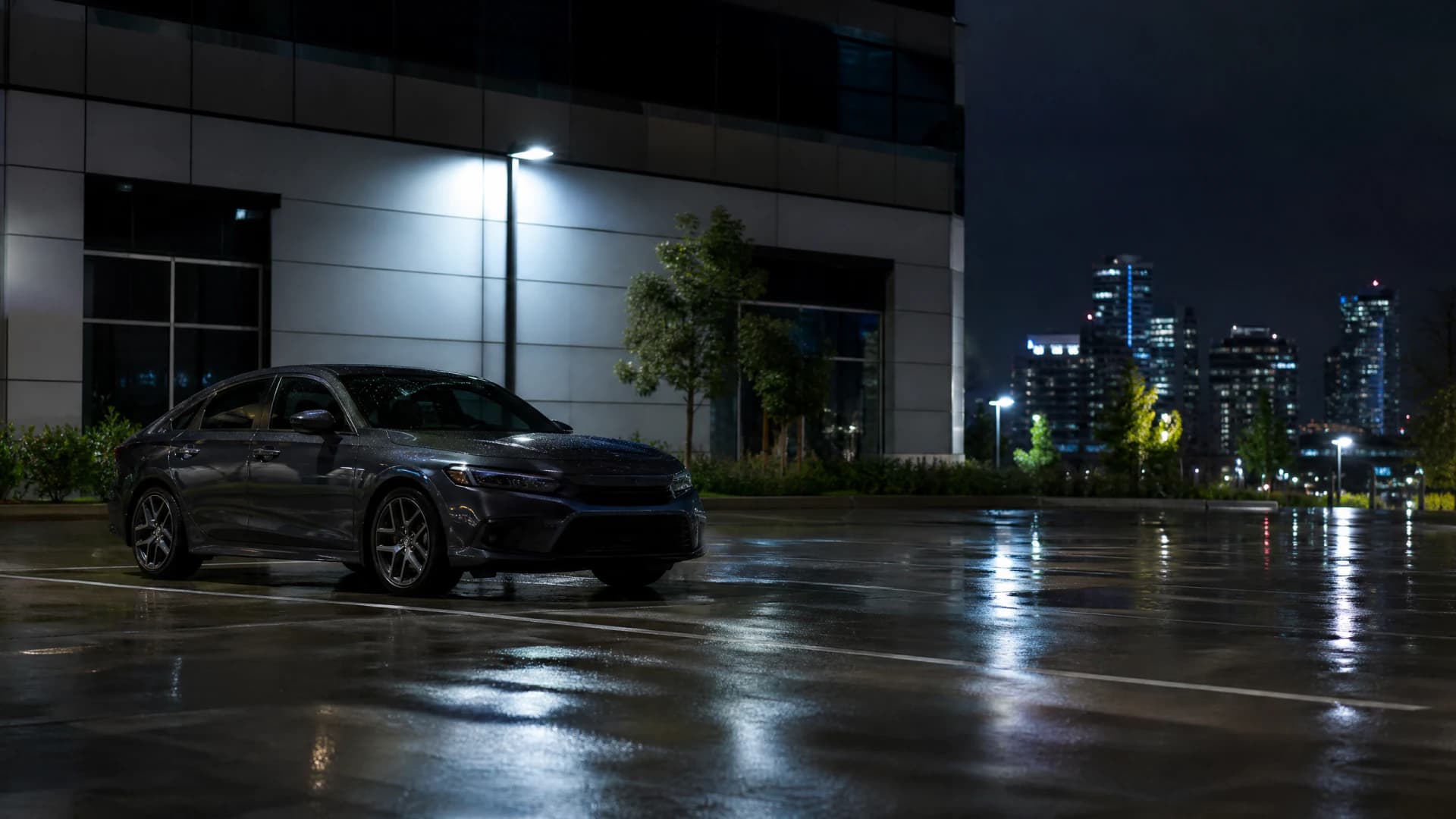
Your current carrier likely won't write post-DWI policies. Non-standard carriers like Progressive, Dairyland, and The General exist specifically to insure DWI drivers at competitive rates.
Related Articles





Non-Owner SR-22 Option During Suspension
If your license is still suspended and you don't own a vehicle, you can satisfy the SR-22 requirement by buying a non-owner SR-22 policy. This is liability-only coverage that follows you as a driver, not a specific vehicle. It costs $40 to $90/month in Texas depending on your DWI conviction date and driving record. Non-owner policies do not cover collision or comprehensive damage because there's no vehicle to insure—they only certify that you carry liability coverage when you do drive someone else's car.
Non-owner SR-22 is the cheapest path if you're riding out your suspension period without driving, or if you sold your car after the DWI and rely on rideshare or public transit. Once you buy a vehicle again, you'll need to switch to a standard auto policy with SR-22 filing. The SR-22 filing itself transfers seamlessly—your carrier just updates the certificate on file with DPS to reflect the new policy and vehicle. Dairyland, Progressive, The General, and GAINSCO all write non-owner SR-22 policies in Texas.
One failure mode: some drivers let their non-owner policy lapse because they're not actively driving and assume it doesn't matter. DPS doesn't care whether you're driving or not—if your SR-22 filing lapses at any point during the two-year period, your license gets suspended again and you pay another $125 reinstatement fee to restore it. The non-owner policy must stay active continuously even if the car sits in the driveway.
2 years
Texas SR-22 Filing Period After DWI
Texas Transportation Code §601.153 requires SR-22 filing for two years from the reinstatement date, not the conviction date. If you let your policy lapse during those two years, the clock resets and you start the two-year period over from the date you refile and reinstate.
Texas Transportation Code §601.153

What Drives Your Premium Beyond the SR-22
The SR-22 filing fee is negligible. The premium is what hurts. Texas post-DWI premiums are driven by: your county (Harris County and Dallas County rates run 20 to 30 percent higher than rural counties due to accident density and uninsured motorist rates), your age (drivers under 25 pay 40 to 60 percent more than drivers over 30 for identical coverage), how long ago your DWI conviction occurred (premiums drop 15 to 25 percent once you hit the one-year mark post-conviction), and whether you've had other violations in the past three years (a DWI plus a speeding ticket or at-fault accident can double your premium compared to DWI alone).
Vehicle type matters less than you'd expect for liability-only policies. If you're only buying the state minimums to satisfy SR-22, the carrier prices based on your risk as a driver, not the car's value. Collision and comprehensive premiums do vary significantly by vehicle—insuring a 2018 F-150 costs more than a 2012 Civic—but most post-DWI drivers in Texas start with liability-only to keep premiums manageable during the SR-22 period.
Compare Carriers Before You Commit
Request quotes from at least three non-standard carriers before you buy. Progressive, Dairyland, The General, and GAINSCO all operate in Texas and specialize in post-DWI coverage. Your rate will vary by carrier even when coverage is identical—Dairyland may quote you $160/month in Austin while Progressive quotes $210 for the same liability limits and SR-22 filing. Payment plan terms also vary: some carriers require 20 percent down and monthly installments; others let you pay monthly with no upfront lump sum.
Check whether your current carrier will write an SR-22 policy before you assume they won't. State Farm and USAA sometimes retain post-DWI customers at higher premiums rather than non-renewing them outright. If your current carrier offers a quote, compare it against the non-standard market—you may find that loyalty costs you $80/month more than switching. Once you have three quotes, pick the lowest monthly premium with a payment plan you can sustain for two years. Missing a payment and letting your SR-22 lapse resets the clock and costs you another reinstatement cycle.
Carriers Writing Cheapest Post-DWI SR-22 in Texas
Progressive writes post-DWI SR-22 policies statewide and processes online quotes. Monthly premiums for a 30-year-old male with a single DWI in Houston typically range $140 to $210 depending on zip code and vehicle. Progressive's Snapshot telematics discount can reduce premiums by 10 to 15 percent after six months of monitored safe driving. NAIC 24260, AM Best A+ rated. Dairyland specializes in non-standard auto and writes SR-22 policies across Texas with monthly premiums in the $160 to $240 range for similar profiles. Dairyland offers non-owner SR-22 policies for drivers without a vehicle at $40 to $70/month, which satisfies the filing requirement during suspension if you're not driving yet. NAIC per Texas page, AM Best rating stable.
The General writes high-risk auto including DWI cases. Monthly premiums run $180 to $280 for liability-only coverage with SR-22 filing in Texas metro areas. The General allows monthly payment plans with no down payment in some cases, which helps drivers on tight budgets avoid the upfront lump sum most carriers require. NAIC group per SR-22 DMV contact list. GAINSCO is a Texas-focused non-standard carrier writing SR-22 policies statewide. Rates are competitive in rural and suburban counties—$130 to $200/month for post-DWI liability coverage. GAINSCO offers both standard policies and non-owner SR-22 options. NAIC 40150, AM Best A- rated per agent application materials.
Get Your Free Quote
Get My Texas Suspended License Insurance QuoteFrequently Asked Questions
How much does SR-22 insurance cost after a DWI in Texas?
The SR-22 filing itself costs $15 to $50. The liability insurance policy behind it typically costs $140 to $320/month for post-DWI drivers in Texas, depending on your county, age, and how recently the conviction occurred. Non-owner SR-22 policies cost $40 to $90/month if you don't own a vehicle.
Can I get SR-22 insurance without owning a car in Texas?
Yes. Non-owner SR-22 policies provide liability coverage when you drive someone else's vehicle and satisfy the SR-22 filing requirement. They cost $40 to $90/month in Texas. Dairyland, Progressive, The General, and GAINSCO all write non-owner SR-22 policies statewide.
How long do I need SR-22 insurance after a DWI in Texas?
Texas requires SR-22 filing for two years from your reinstatement date under Texas Transportation Code §601.153. If your policy lapses at any point during those two years, your license is suspended again and the two-year period resets when you refile and reinstate.
What happens if my SR-22 insurance lapses in Texas?
Your carrier notifies Texas DPS within 10 days of the lapse. DPS suspends your license immediately. You'll pay the $125 reinstatement fee again, refile SR-22, and restart the two-year filing period from the new reinstatement date.
Which carriers write the cheapest SR-22 insurance after DWI in Texas?
Progressive, Dairyland, GAINSCO, and The General specialize in post-DWI SR-22 policies in Texas. Monthly premiums range from $130 to $280 depending on your county and driving record. GAINSCO often quotes lowest in rural counties; Progressive and Dairyland compete well in metro areas.
Do I need full coverage or just liability for SR-22 in Texas?
Texas only requires liability coverage at state minimums ($30,000/$60,000/$25,000) to satisfy SR-22. You can add collision and comprehensive if you finance a vehicle or want broader protection, but the SR-22 filing itself only certifies liability coverage.