
Liability-Only SR-22 Cost — Texas
Free to compare
Why Non-Owner SR-22 Costs Less Than Regular SR-22
You lost your license and Texas DPS told you that you need SR-22 to reinstate. You don't currently own a vehicle. You assumed SR-22 filing means you need full auto insurance — collision, comprehensive, the works — even without a car to insure. That assumption costs you money you don't need to spend.
Non-owner SR-22 policies exist specifically for suspended drivers without vehicles. They provide liability-only coverage (bodily injury and property damage) that satisfies Texas DPS SR-22 requirements at a fraction of the cost of a standard policy. Texas accepts non-owner SR-22 filings identically to vehicle-owner SR-22 filings for reinstatement purposes. The SR-22 certificate itself looks the same to DPS — the underlying policy structure is what differs.
“DPS accepts non-owner SR-22 identically to vehicle-owner SR-22 — the filing certificate format is the same and both satisfy the 2-year requirement.”

Line Up Texas Coverage Before Reinstatement
Get My Texas Suspended License Insurance Quote$25–$50/month
Texas Non-Owner SR-22 Premium
Non-owner SR-22 policies cost substantially less than vehicle-owner policies because they exclude collision and comprehensive coverage. The policy covers liability when you drive a borrowed or rental vehicle. Estimates based on available industry data; individual rates vary by driving history and violation type.
What Non-Owner SR-22 Actually Covers
A non-owner SR-22 policy provides the state-minimum liability coverage Texas requires: $30,000 bodily injury per person, $60,000 bodily injury per accident, $25,000 property damage. It covers liability when you drive a vehicle you don't own — a borrowed car, a rental, a friend's vehicle. It does not cover damage to the vehicle you're driving. That vehicle must carry its own collision and comprehensive coverage if the owner wants physical damage protection.
The SR-22 filing itself is a certificate your insurer submits electronically to Texas DPS certifying that you maintain continuous liability coverage. DPS monitors the filing for the required 2-year period. If your policy lapses or cancels, the insurer notifies DPS within 10 days and your license suspension reinstates immediately. Non-owner policies satisfy this filing requirement identically to vehicle-owner policies.
Non-owner SR-22 does not replace the vehicle owner's insurance. If you borrow a car, that vehicle's insurance is primary and your non-owner policy is secondary. Your policy covers liability gaps if the owner's limits are exhausted or if you drive an uninsured vehicle. Most suspended drivers use non-owner SR-22 to maintain legal reinstatement status while they rebuild credit or save for a vehicle purchase.
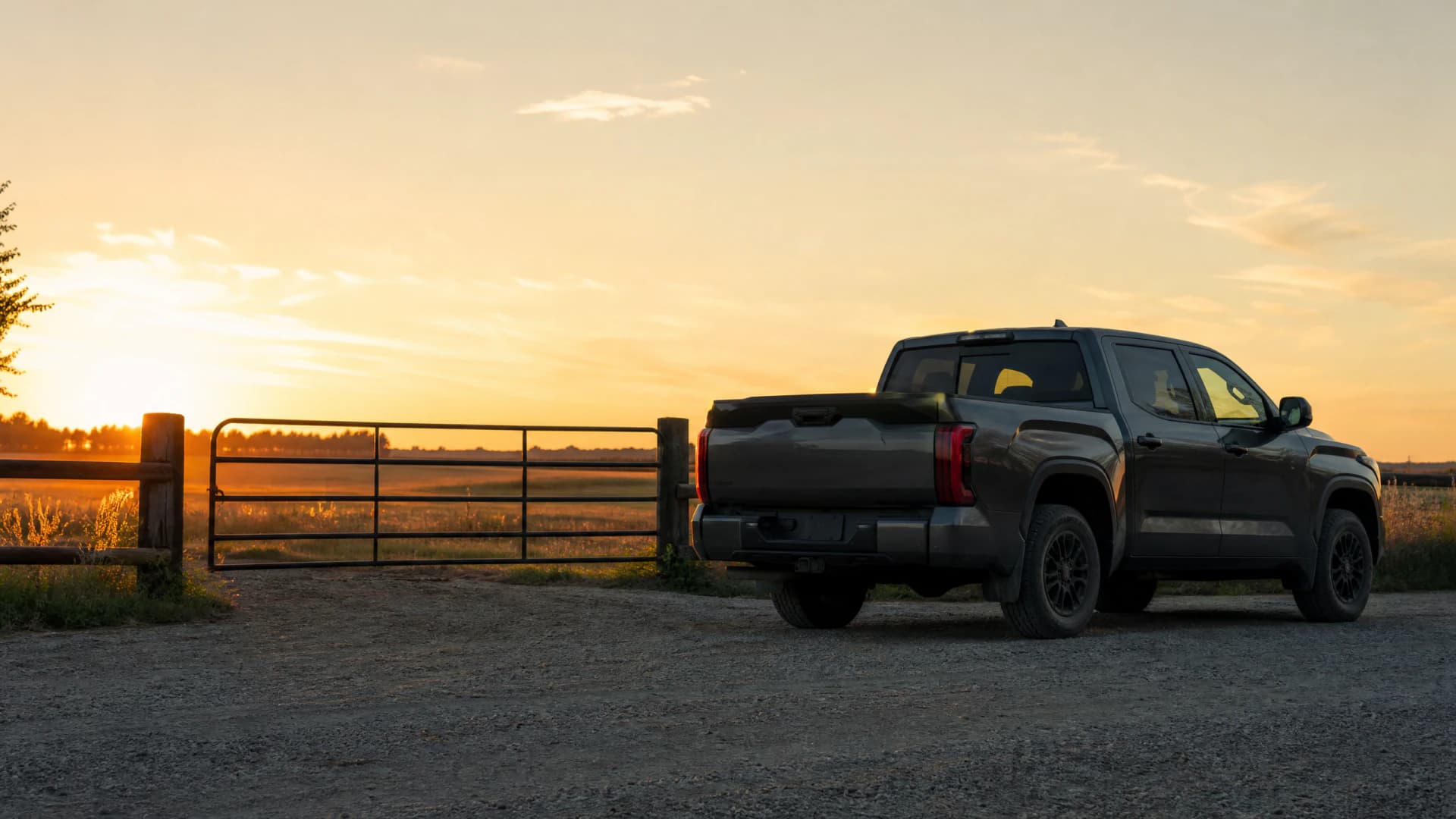
DPS does not distinguish between vehicle-owner SR-22 and non-owner SR-22 for reinstatement — the filing certificate format is identical and both satisfy the 2-year continuous coverage requirement.





How Violation Type Affects Non-Owner SR-22 Premiums
DUI suspensions generate the highest non-owner SR-22 premiums. A first-offense DWI in Texas typically produces non-owner SR-22 rates of $40–$65/month. Carriers price DUI risk higher because historical claims data shows elevated liability exposure for alcohol-related violations. Repeat DUI offenses push premiums above $70/month and narrow the carrier pool — most standard-market insurers decline repeat offenders entirely.
Uninsured-driving suspensions and lapsed-insurance suspensions produce lower non-owner SR-22 premiums, typically $25–$40/month. These suspensions signal administrative violations rather than impaired-driving or reckless-behavior violations. Carriers view administrative suspensions as lower liability risk. Points-accumulation suspensions fall between the two extremes, typically $30–$50/month depending on the underlying violations that generated the points.
Age affects non-owner SR-22 premiums identically to vehicle-owner premiums. Drivers under 25 pay approximately 40–60% more than drivers over 25 with equivalent violation histories. Drivers over 55 with clean records prior to the suspension event see the lowest non-owner SR-22 rates. Gender no longer affects Texas auto insurance premiums as of recent regulatory guidance, but marital status and ZIP code continue to influence underwriting.
2 years
Texas SR-22 Filing Period
Texas requires continuous SR-22 filing for 2 years from the reinstatement date for most DWI and liability-related suspensions under Texas Transportation Code §601.153. The 2-year clock starts when DPS processes your reinstatement, not when you purchase the policy. If your policy lapses at any point during the 2-year period, DPS re-suspends your license and the clock resets.
Texas Transportation Code §601.153

Filing SR-22 Without Owning a Vehicle
You purchase a non-owner SR-22 policy from a carrier that writes the product in Texas. The carrier files the SR-22 certificate electronically with Texas DPS within 1–3 business days of policy purchase. You receive a paper copy of the SR-22 certificate by mail or email. DPS processes the filing and updates your reinstatement eligibility status. You must already have paid the $125 reinstatement fee and completed any court-ordered requirements before DPS will accept the SR-22 filing for reinstatement.
The SR-22 filing itself has no separate fee beyond the policy premium for most carriers. Some carriers charge a one-time $15–$25 SR-22 processing fee at policy inception. This fee is separate from the $125 DPS reinstatement fee. You maintain the non-owner policy continuously for the full 2-year filing period. Canceling the policy or allowing it to lapse triggers automatic DPS notification and your license re-suspends within 10 days.
Compare Non-Owner SR-22 Carriers Now
Non-owner SR-22 premiums vary by $15–$30/month between carriers for identical coverage and violation profiles. GAINSCO and Dairyland consistently quote lower premiums for DUI suspensions. Progressive and The General quote competitively for non-DUI suspensions. You need quotes from at least three carriers writing non-owner SR-22 in Texas to identify the lowest available rate. Request quotes by phone or through a broker specializing in high-risk and SR-22 placements — most non-owner SR-22 policies require underwriter review rather than instant online binding.
Which Carriers Write Non-Owner SR-22 in Texas
Dairyland, GAINSCO, The General, and Progressive write non-owner SR-22 policies statewide in Texas. Dairyland and GAINSCO specialize in high-risk and non-standard auto, making them primary options for suspended drivers. Progressive writes non-owner policies through its standard and non-standard divisions. The General operates exclusively in the non-standard market and writes policies for drivers with violations, suspensions, and SR-22 requirements. USAA writes non-owner SR-22 but restricts eligibility to military members, veterans, and their families.
Geico writes non-owner policies with SR-22 filing in Texas but approval depends on violation type and driving history — DUI and multiple-violation cases often route to Geico's non-standard partner rather than direct underwriting. Bristol West writes SR-22 policies in Texas but confirmation of non-owner product availability requires broker contact. Most non-owner SR-22 quotes require phone or broker contact rather than online instant quotes because underwriters manually review violation history before approval.
Get Your Free Quote
Get My Texas Suspended License Insurance QuoteFrequently Asked Questions
Can I get SR-22 in Texas without owning a car?
Yes. Non-owner SR-22 policies provide liability-only coverage and satisfy Texas DPS SR-22 filing requirements for reinstatement. The policy covers liability when you drive borrowed or rental vehicles. DPS accepts non-owner SR-22 filings identically to vehicle-owner SR-22 filings.
How much does non-owner SR-22 cost in Texas per month?
Non-owner SR-22 in Texas typically costs $25–$50/month depending on violation type and driving history. DUI suspensions generate premiums of $40–$65/month. Administrative suspensions (lapsed insurance, unpaid fines) produce premiums of $25–$40/month. Rates vary by carrier, age, and ZIP code.
Which insurance companies write non-owner SR-22 in Texas?
Dairyland, GAINSCO, The General, Progressive, and USAA write non-owner SR-22 policies in Texas. Geico writes non-owner SR-22 but approval depends on violation severity. Bristol West may write non-owner SR-22 through brokers. Most carriers require phone or broker contact rather than online quotes for non-owner SR-22.
Does non-owner SR-22 cover the car I'm driving?
No. Non-owner SR-22 provides liability coverage only — it pays for injuries and property damage you cause to others. It does not cover damage to the vehicle you're driving. The vehicle owner's insurance must carry collision and comprehensive coverage if physical damage protection is needed.
How long do I need to keep non-owner SR-22 in Texas?
Texas requires continuous SR-22 filing for 2 years from your reinstatement date for most DWI and liability-related suspensions. If your non-owner policy lapses or cancels during the 2-year period, DPS re-suspends your license within 10 days and the 2-year clock resets when you file a new SR-22.
Can I buy a car while I have non-owner SR-22?
Yes, but you must switch from non-owner SR-22 to vehicle-owner SR-22 as soon as you register a vehicle in your name. Contact your insurer immediately to add the vehicle and convert the policy. Non-owner SR-22 does not cover vehicles you own or register — driving your own vehicle on a non-owner policy creates a coverage gap.
What happens if my non-owner SR-22 policy lapses in Texas?
Your insurer notifies Texas DPS within 10 days of the lapse. DPS re-suspends your license immediately. The 2-year SR-22 filing period resets when you purchase a new policy and file a new SR-22 certificate. You may also face a new $125 reinstatement fee depending on the suspension order.