
Non-Owner SR-22 Insurance — Texas
Free to compare
Why Texas Requires SR-22 Without Vehicle Ownership
Your license is suspended and you sold your car months ago. You assumed insurance was no longer required. Now Texas Department of Public Safety tells you reinstatement depends on filing SR-22 proof of financial responsibility, and you have no vehicle to insure. This is the most common procedural block suspended drivers hit when preparing reinstatement paperwork.
Texas Transportation Code §601.153 requires SR-22 certificates for drivers reinstating after DWI, Administrative License Revocation suspensions, driving without insurance citations, or certain repeat violations. The law requires proof of insurance coverage, not proof of vehicle ownership. Non-owner SR-22 policies exist specifically for this scenario: they provide the liability coverage DPS requires and trigger the SR-22 certificate filing without insuring a specific vehicle.
“Texas DPS requires proof of insurance coverage, not proof of vehicle ownership — non-owner SR-22 policies satisfy reinstatement requirements identically to vehicle policies.”

Line Up Texas Coverage Before Reinstatement
Get My Texas Suspended License Insurance Quote$25–$65/mo
Texas Non-Owner SR-22 Premium
Monthly cost for minimum liability non-owner policy with SR-22 filing. Rates vary by age, violation type, and county. Drivers with single DWI convictions typically pay $40–$55/mo; multiple violations or under-25 drivers face higher premiums.
Carrier rate filings for Texas non-standard auto market, 2024
What Non-Owner SR-22 Actually Covers
A non-owner policy provides liability coverage when you drive vehicles you do not own: borrowed cars, rental vehicles, or employer-owned vehicles during personal use. Texas minimum liability limits apply: $30,000 bodily injury per person, $60,000 per accident, and $25,000 property damage. The policy does NOT cover vehicles you own, vehicles registered to household members, or vehicles you use regularly without owning.
The SR-22 certificate is an endorsement the carrier files electronically with Texas DPS within 1 business day of policy activation. DPS receives real-time notification that you now carry active liability coverage meeting state requirements. If the policy lapses or cancels, DPS receives automatic notification within 10 days and may re-suspend your license immediately.
Non-owner policies cost significantly less than standard vehicle policies because collision and comprehensive coverage are absent. You are insuring your liability exposure when operating others' vehicles, not insuring a specific asset. For suspended drivers who need SR-22 strictly for reinstatement and do not currently drive, this is the most cost-effective path to satisfy the filing requirement.
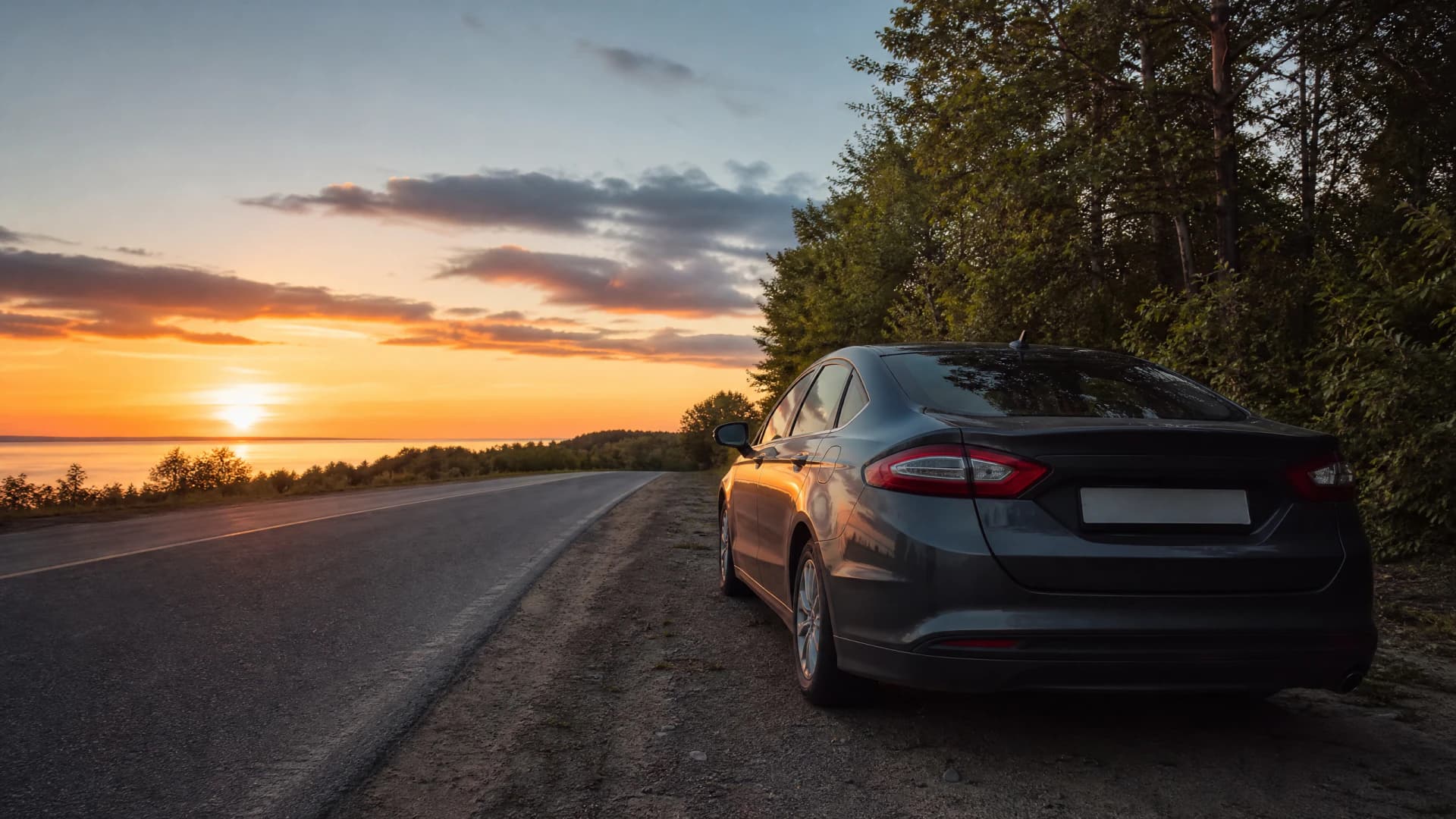
Texas DPS does not distinguish between vehicle-owner SR-22 and non-owner SR-22 filings — both satisfy reinstatement requirements identically as long as coverage remains active for the required 2-year period.



Non-Owner SR-22 and ODL Eligibility
If you are applying for an Occupational Driver License while your suspension is active, non-owner SR-22 satisfies the financial responsibility requirement Texas courts impose. Every ODL petition requires proof of SR-22 filing before the court will issue the restrictive order. Non-owner policies meet this requirement identically to vehicle policies.
The court order specifies permitted driving hours and essential-need routes: work, school, essential household duties, or medical appointments. Non-owner SR-22 covers your liability exposure when driving within those court-authorized parameters. If you borrow a vehicle to drive to work under ODL authority, your non-owner policy responds to any liability claims arising from accidents during authorized driving.
Texas caps ODL driving at 12 hours per 24-hour period regardless of how many essential needs are listed in the court order. Violating route restrictions, time restrictions, or the 12-hour cap while holding non-owner SR-22 does not void your SR-22 filing with DPS, but it does trigger ODL revocation and potential criminal charges for violating a court order. The non-owner policy itself remains active, but you lose driving privileges under the ODL.
2 years
Texas SR-22 Filing Duration
Texas Transportation Code §601.153 requires maintaining SR-22 certificates for 2 years from reinstatement date for most DWI and liability-related suspensions. The 2-year clock starts the day DPS processes your reinstatement and issues your new license, not the day you purchase the policy.
Texas Transportation Code §601.153
Avoiding SR-22 Lapse After Reinstatement
Carriers report policy cancellations to DPS electronically within 10 days. If your non-owner policy lapses for non-payment during the mandatory 2-year SR-22 period, DPS re-suspends your license automatically under Texas Transportation Code §601.231. No warning letter. No grace period. The suspension is immediate upon DPS receiving the lapse notification from the carrier.
Set up automatic monthly payments through your carrier's online portal or checking account autopay. One missed payment triggers a 10-day grace period before the carrier cancels the policy for non-payment. If you do not cure the missed payment within that window, the carrier files the SR-22 cancellation notice with DPS and your license suspends again. Reinstatement after lapse requires paying the $125 DPS reinstatement fee a second time, purchasing a new non-owner policy, and waiting for the new SR-22 to file before DPS will restore driving privileges.
Compare Carriers Writing Non-Owner SR-22 in Texas
Not all carriers write non-owner SR-22 policies in Texas. Progressive, GEICO, Dairyland, The General, GAINSCO, and Bristol West are confirmed writers with electronic SR-22 filing capability through TexasSure. Rates vary significantly by carrier based on your violation type, age, and county. A 28-year-old driver in Harris County with a single DWI may receive quotes ranging from $35/mo to $70/mo for identical coverage limits.
Request quotes from at least three carriers before purchasing. Non-owner SR-22 premiums are not published online — you must call or complete an online application to receive a binding quote. Provide accurate information about your suspension reason, conviction date, and household vehicle access. Misrepresenting these facts to obtain a lower premium can result in policy rescission and a second suspension for filing fraudulent SR-22 documentation with DPS.
How to Obtain Non-Owner SR-22 in Texas
Contact a carrier licensed to write non-owner SR-22 in Texas: Progressive, GEICO, Dairyland, The General, GAINSCO, or Bristol West all write non-owner policies and file SR-22 certificates electronically. Apply online or by phone. You will answer questions about your driving record, violation history, and whether you have regular access to any household vehicles. Misrepresenting household vehicle access can result in claim denials later — if you live with someone who owns a vehicle you occasionally drive, that vehicle must be disclosed.
The carrier issues the policy immediately upon approval and payment of the first month's premium. SR-22 filing occurs within 1 business day. Some carriers charge a one-time SR-22 processing fee of $15–$25 in addition to the monthly premium. Texas DPS receives the electronic SR-22 certificate directly from the carrier through the TexasSure system. You do not need to submit paperwork to DPS separately — the carrier handles the entire filing process.
Get Your Free Quote
Get My Texas Suspended License Insurance QuoteFrequently Asked Questions
Can I get non-owner SR-22 insurance without a driver's license in Texas?
Yes. Texas carriers issue non-owner SR-22 policies to suspended drivers without valid licenses. The policy provides coverage and triggers the SR-22 filing DPS requires for reinstatement. You do not need an active license to purchase the policy, but you cannot legally drive until DPS processes your reinstatement and restores your license.
How long does non-owner SR-22 filing take in Texas?
Carriers file SR-22 certificates electronically with Texas DPS within 1 business day of policy activation. DPS receives the filing through the TexasSure system immediately. Processing time for reinstatement depends on whether all other DPS requirements are satisfied, but the SR-22 filing itself is complete within 24 hours of purchasing the policy.
Does non-owner SR-22 cover rental cars in Texas?
Yes. Non-owner SR-22 policies provide liability coverage when you drive rental vehicles in Texas. The policy covers bodily injury and property damage claims up to Texas minimum limits ($30,000/$60,000/$25,000). Rental car damage is not covered — you must purchase the rental company's collision damage waiver separately if you want physical damage protection for the rental vehicle.
What happens if I buy a car while holding non-owner SR-22 in Texas?
You must convert to a standard vehicle policy immediately upon purchasing or registering a vehicle. Non-owner policies exclude coverage for vehicles you own. Contact your carrier the day you take ownership and add the vehicle to a new standard policy. The carrier transfers the SR-22 filing to the new policy without interruption, preserving your continuous filing record with DPS.
Can I cancel non-owner SR-22 after Texas reinstatement?
Not until the 2-year SR-22 filing period ends. Texas Transportation Code §601.153 requires maintaining SR-22 certificates for 2 years from reinstatement date for most DWI and liability-related suspensions. Canceling the policy before the 2-year period expires triggers automatic re-suspension. Track your reinstatement date and maintain the policy until the 2-year anniversary passes.
Do I need non-owner SR-22 if I never plan to drive again in Texas?
Yes, if you want to reinstate your license. Texas DPS will not process reinstatement applications without active SR-22 filing on record. Even if you do not currently drive, maintaining a valid Texas driver's license requires satisfying the SR-22 requirement for the full 2-year period. If you have no intention of ever driving again, you can leave the license suspended indefinitely without purchasing non-owner SR-22.