
Immediate SR-22 Filing After a DUI — Texas
Free to compare
The 15-Day Window Starts at Arrest
You were arrested for DWI in Texas last week. The officer handed you a temporary driving permit and a notice about Administrative License Revocation. You assumed the suspension process starts after your court case resolves. It does not. The ALR suspension runs on its own timeline, completely separate from criminal proceedings, and you have exactly 15 days from the date of arrest to request an administrative hearing with the Texas Department of Public Safety. Miss that window and the suspension becomes automatic — no judge, no hearing, no appeal.
Most Texas DWI defendants focus entirely on the criminal case and ignore the ALR notice until it is too late. The criminal court handles punishment; DPS handles your driving privilege. Both systems move independently. Both require separate responses. Both can suspend your license simultaneously. The SR-22 filing requirement applies to both tracks, but the ALR suspension is the one that hits first — typically within 40 days of arrest if you do not request a hearing.
“The ALR suspension runs on its own timeline, separate from criminal court, and you have 15 days from arrest to request a hearing or face automatic suspension.”

Line Up Texas Coverage Before Reinstatement
Get My Texas Suspended License Insurance Quote15 days
Texas ALR Hearing Request Window
Measured from the date of arrest, not the date you receive the notice in the mail or the date of your arraignment. The officer's temporary permit shows the arrest date — that is day zero. Day 15 is your deadline to file a hearing request with DPS.
Texas Transportation Code Chapter 724
Two Separate Suspension Tracks
Texas DWI cases create two parallel suspension actions. The ALR suspension is administrative, triggered by breath test failure (0.08 or higher) or refusal to submit to testing. DPS handles this entirely. The criminal suspension is court-ordered upon conviction under Texas Transportation Code Chapter 521. The judge handles this. Both suspensions can run concurrently, and both require separate SR-22 filings if they overlap.
The ALR suspension period depends on your breath test result and prior history. First offense with test failure: 90 days. First offense with test refusal: 180 days. Second or subsequent offense: 1-2 years. These periods begin 40 days after arrest unless you requested a hearing and won, or unless you qualify for an Occupational Driver License during the suspension.
The criminal suspension runs from the date of conviction. First DWI conviction: 90 days to 1 year. Second conviction: 180 days to 2 years. Third or subsequent: up to 2 years. If your ALR suspension is already active when the court imposes its own suspension, the court suspension typically runs consecutively, not concurrently, extending your total suspension period.

The criminal conviction and the ALR suspension are separate. You can lose your license administratively before your court case even reaches trial.
Related Articles






Occupational Driver License During Suspension
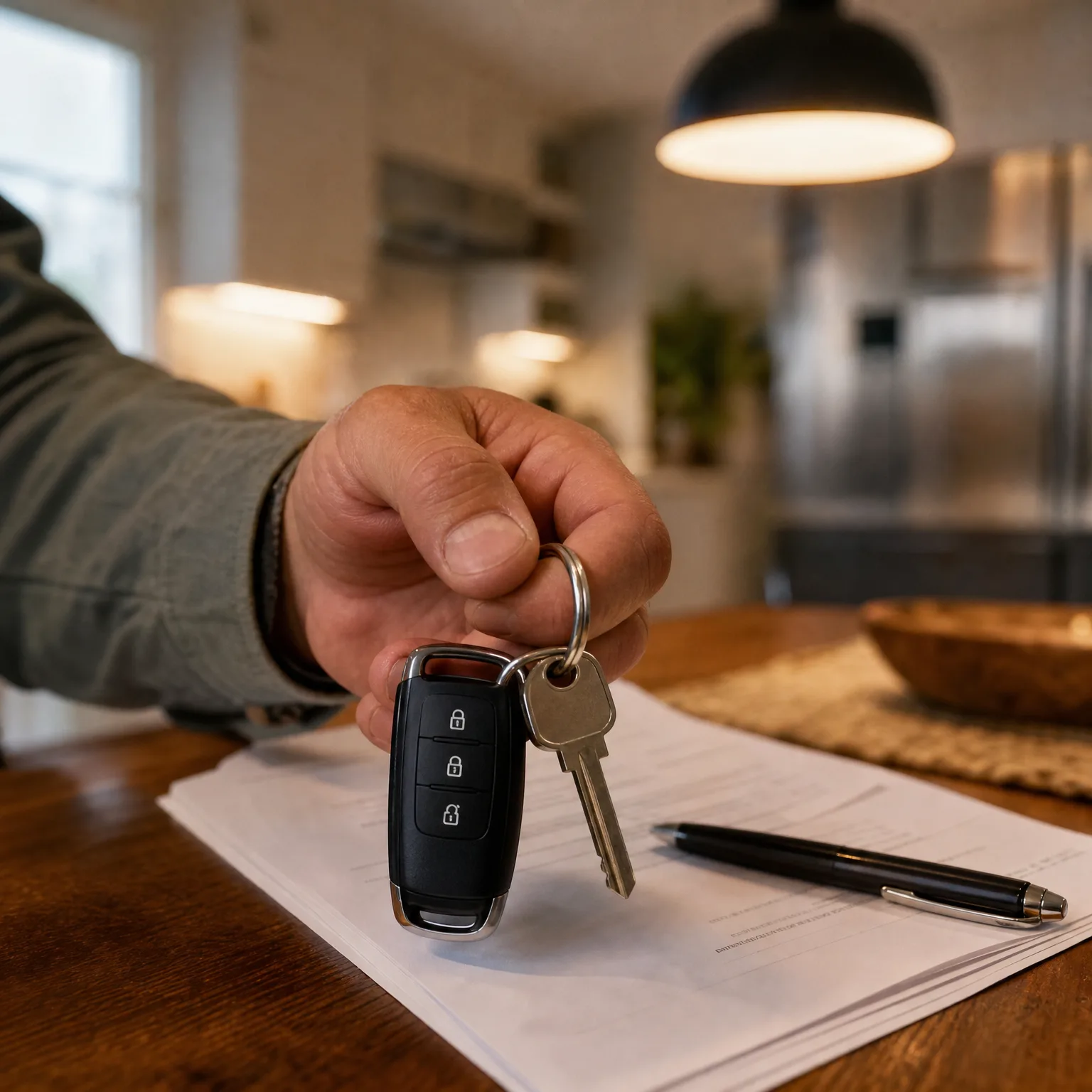
Texas allows Occupational Driver Licenses during ALR and criminal suspensions, but you must petition a county or district court for the order — DPS does not grant ODLs directly. The court evaluates essential need (work, school, medical appointments, performance of essential household duties) and issues an order specifying exactly when and where you may drive. You then present the court order and your SR-22 certificate to DPS, and DPS issues the physical license.
ODL eligibility during ALR suspensions has a mandatory waiting period. First-offense DWI ALR suspensions require 90 days of hard suspension before you can petition for an ODL. Subsequent offenses or test refusals extend that waiting period. The criminal court can impose its own waiting period on top of the ALR hard suspension, potentially delaying your ODL eligibility further.
The court order specifies your permitted driving routes and hours. Maximum 12 hours of driving allowed per day. Ignition interlock installation is mandatory for alcohol-related suspensions — the court order will specify this requirement, and you must provide proof of installation before DPS issues the ODL. Violating the route or time restrictions listed in the court order results in immediate ODL revocation and additional criminal charges for driving on a suspended license.
$125
Texas Full Reinstatement Fee
Charged by DPS when you reinstate your license after the suspension period ends. This is separate from court costs, SR-22 filing fees, ODL petition fees, and any fines or surcharges imposed by the criminal court.
Texas Department of Public Safety fee schedule
Finding SR-22 Coverage Immediately
Most standard carriers (State Farm, Allstate, Farmers) will non-renew your policy after a DWI conviction, but they typically keep you covered through the current policy term. Non-standard carriers write SR-22 policies specifically for high-risk drivers. Progressive, GEICO, Dairyland, Bristol West, The General, GAINSCO, and Acceptance all write SR-22 in Texas and can file electronically with DPS within 24-48 hours of binding coverage.
If you own a vehicle, you need a standard auto policy with SR-22 endorsement. If you sold your car or never owned one, you need a non-owner SR-22 policy. Non-owner policies are cheaper — typically $40-$85/month in Texas — because they provide liability coverage only and do not insure a specific vehicle. Either policy type satisfies the SR-22 requirement; DPS does not distinguish between them as long as the filing is active and meets state minimums.
Act Within the 15-Day Window
Count the days from your arrest date, not from when you read the ALR notice. If today is day 12, you have 3 days left to request a hearing. The hearing request form is available on the Texas DPS website under Administrative License Revocation. Submit it online or by mail with the required fee (typically $125). Requesting a hearing does not guarantee you will win, but it delays the automatic suspension and gives you a chance to challenge the stop, the test administration, or the officer's probable cause.
If you are past day 15, the ALR suspension is already in effect or will be within 40 days of arrest. Your only legal driving option during that suspension is an Occupational Driver License, which requires both a court order and active SR-22 coverage. Start the ODL petition process now if you need to drive for work. Contact non-standard carriers today to bind SR-22 coverage — DPS will not process your ODL application without proof of filing on record.
SR-22 Filing Requirement for Both Tracks
SR-22 is not insurance — it is a filing your insurance carrier submits to DPS proving you carry at least Texas minimum liability coverage ($30,000 bodily injury per person, $60,000 per accident, $25,000 property damage). The filing itself costs nothing; carriers typically charge $15-$50 to process and maintain it. Your premium increases because you now qualify as high-risk, not because of the filing fee.
You need SR-22 active before DPS will issue an Occupational Driver License during your suspension, and you must maintain it for 2 years after full reinstatement under Texas Transportation Code §601.153. If your carrier cancels your policy or you let coverage lapse, DPS receives electronic notice within 10 days and re-suspends your license immediately. Non-owner SR-22 policies exist specifically for drivers without a vehicle — same liability minimums, lower premiums because the policy covers you as a driver rather than a specific car.
Get Your Free Quote
Get My Texas Suspended License Insurance QuoteFrequently Asked Questions
Do I need SR-22 before my DWI court case is resolved?
Yes. The Administrative License Revocation suspension runs independently of your criminal case. If you want an Occupational Driver License during the ALR suspension, you must have active SR-22 coverage on file with DPS before the court will issue the ODL order. Waiting for your court date means you lose months of legal driving time.
Can I get SR-22 insurance if I don't own a car?
Yes. Non-owner SR-22 policies provide liability coverage when you drive a vehicle you do not own. Texas DPS accepts non-owner SR-22 filings for both Occupational Driver License eligibility and full reinstatement. Premiums are lower than standard policies because the coverage does not insure a specific vehicle.
How long does SR-22 filing stay on my record in Texas?
Texas requires SR-22 for 2 years after full license reinstatement for DWI-related suspensions. The 2-year period begins when your suspension ends and you reinstate, not from the date of arrest or conviction. If you let your policy lapse during that period, DPS re-suspends your license immediately.
What happens if I miss the 15-day ALR hearing request deadline?
The suspension becomes automatic. DPS will suspend your license 40 days after arrest with no administrative hearing. Your only legal driving option is an Occupational Driver License, which requires a separate court petition, SR-22 filing, and proof of essential need. The criminal court case proceeds independently.
Does the Occupational Driver License let me drive anywhere in Texas?
No. The court order specifies exactly where and when you may drive — typically routes between home, work, school, and medical appointments. You must carry the court order with you at all times. Driving outside the permitted routes or hours is a criminal offense and results in immediate ODL revocation.