
Lowest Non-Owner SR-22 Rates — Texas
Free to compare
Why Standard Carriers Quote You the Wrong Policy
You called three carriers for SR-22 quotes. All three quoted you $120–$180/month. All three assumed you own a vehicle. When you explained you don't currently own a car, two told you they can't help, and the third quoted you the same rate anyway because their system doesn't distinguish between policy types. This is the exact friction that keeps Texas drivers overpaying for non-owner SR-22 coverage.
Non-owner SR-22 policies cost 40–60% less than standard policies because they cover only your liability when driving someone else's vehicle — not collision, not comprehensive, no vehicle value at risk. The carriers quoting you $120+ are pricing full-vehicle coverage you don't need. Texas law requires SR-22 financial responsibility filing, but it does not require you to insure a car you don't own.
“Non-owner SR-22 costs 40–60% less than standard policies because it covers only your liability when driving someone else's vehicle.”

Line Up Texas Coverage Before Reinstatement
Get My Texas Suspended License Insurance Quote$35–$65/mo
Texas Non-Owner SR-22 Range
Non-standard carriers writing Texas non-owner SR-22 policies price liability-only coverage at this range for drivers with single DWI or suspension history. Standard carriers typically quote $95–$140/mo for the same filing because their underwriting treats non-owner policies as specialty products, not core business.
Carrier rate sheets from Dairyland, The General, and GAINSCO Texas filings
Which Texas Carriers Write Non-Owner SR-22
Six carriers dominate Texas non-owner SR-22: Dairyland, The General, GAINSCO, Progressive, USAA (military-eligible only), and Geico. Dairyland and The General specialize in high-risk non-owner policies and consistently quote the lowest rates for drivers with DWI or suspension history. GAINSCO operates as a Texas-focused non-standard carrier and prices competitively for in-state filers. Progressive writes non-owner SR-22 but prices it closer to standard-tier rates — expect $75–$95/mo rather than sub-$65.
State Farm writes SR-22 in Texas but does not offer non-owner policies to new customers post-suspension. Allstate, Farmers, and Liberty Mutual either decline non-owner SR-22 entirely or refer applicants to their non-standard subsidiaries. If a carrier's website funnel asks for your vehicle's VIN before quoting SR-22, that carrier does not write true non-owner policies — exit and call a specialist.
USAA writes non-owner SR-22 for military members and their families at preferred-tier pricing ($45–$70/mo), but eligibility is restricted to service members, veterans, and their spouses. If you qualify for USAA, start there. If you don't, Dairyland and The General are your next targets.
Texas DPS requires continuous SR-22 filing for two years from your reinstatement date — any lapse restarts the clock and triggers a new suspension.




What Raises Your Non-Owner SR-22 Rate in Texas
Your suspension trigger determines your rate tier. DWI with BAC .08–.15 typically prices at $40–$60/mo. DWI with BAC above .15 or refusal to test pushes rates to $55–$75/mo. Multiple DWIs within five years land you in the $70–$95/mo range even for non-owner policies. Suspended license due to insurance lapse prices lower — $35–$50/mo — because carriers view lapse as administrative rather than behavioral risk.
Your county matters. Harris County (Houston), Dallas County, Bexar County (San Antonio), and Travis County (Austin) all carry higher base rates due to claims density and uninsured motorist percentages. Expect $5–$10/mo premium over rural-county rates. Your age and driving history before the suspension also affect pricing: drivers under 25 or over 70 pay 10–20% more, and any at-fault accidents in the three years before suspension add $8–$15/mo to the base rate.
Payment plan choice affects your monthly cost. Paying six months upfront typically saves 8–12% versus monthly installments. Carriers charge $3–$8/mo processing fees for monthly autopay. If you can front the first six months, your effective monthly rate drops into the lower end of every range quoted in this article.
24–48 hours
Texas SR-22 Filing Window
Carriers electronically file SR-22 certificates with Texas DPS within this window after policy activation. DPS posts the filing to your driver record within 3–5 business days. You can verify filing status through the Texas DPS online driver record portal at txdps.state.tx.us — confirmation appears as 'Financial Responsibility on File' status.
Texas Transportation Code §601.153 and DPS TexasSure program documentation

When You Move From Non-Owner to Standard SR-22
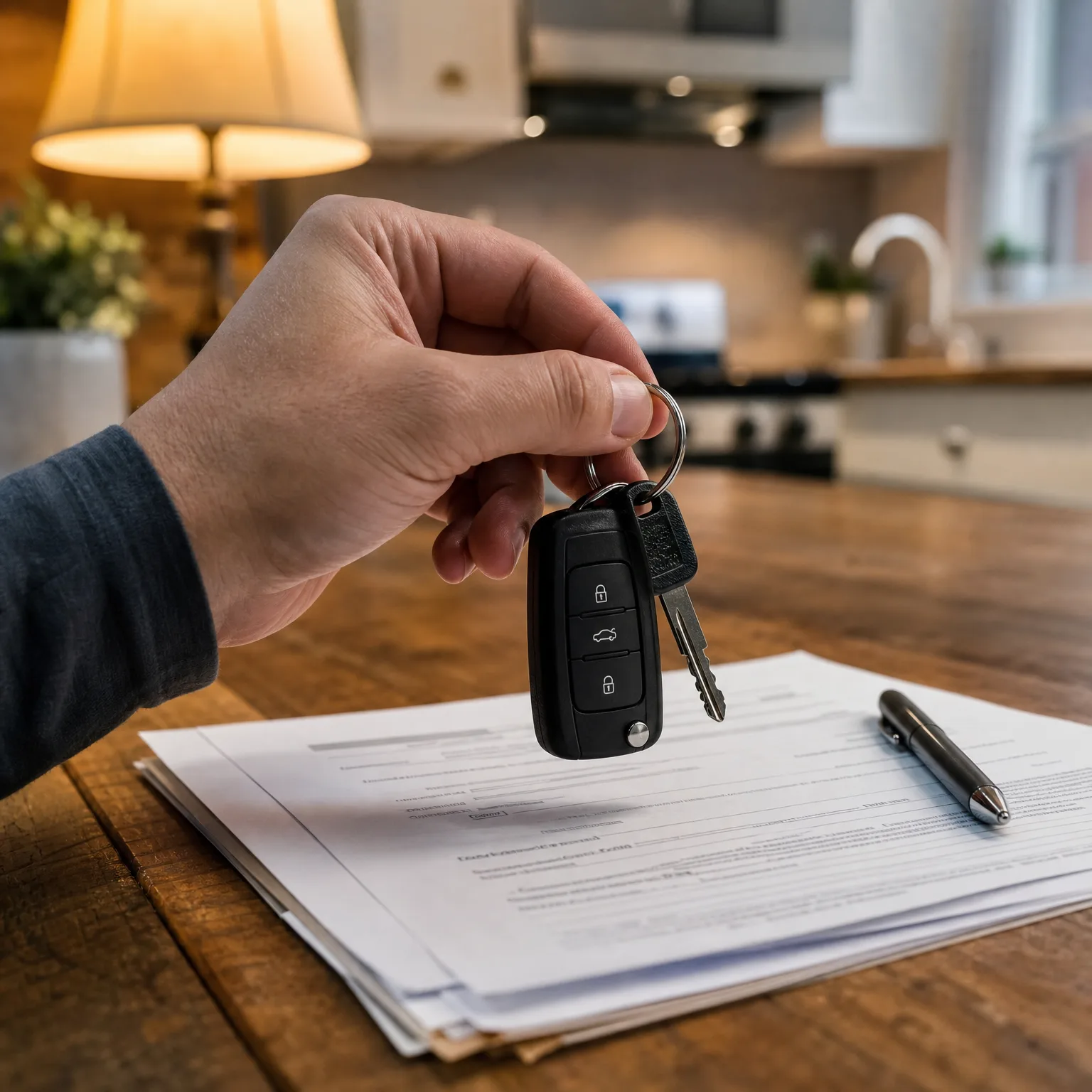
The moment you buy, lease, or register a vehicle in your name, your non-owner policy no longer covers you correctly. Texas law requires the SR-22 filing to attach to an active policy that covers the vehicle you drive regularly. You have a brief grace period — typically 10–14 days depending on carrier — to notify your insurer, convert to a standard policy, and transfer the SR-22 filing. Missing this window creates a coverage gap that DPS reads as an SR-22 lapse, which triggers automatic suspension and restarts your two-year SR-22 clock from zero.
Call your carrier the same day you take possession of the vehicle. Most carriers process the conversion within 24 hours and transfer the SR-22 filing without interruption. Your rate will increase — expect to pay $95–$160/mo for standard SR-22 liability coverage on an owned vehicle versus the $35–$65/mo you paid for non-owner. The jump reflects the added collision and comprehensive exposure the carrier now underwrites.
Compare Texas Non-Owner SR-22 Carriers Now
Start with Dairyland and The General — both write Texas non-owner SR-22 as core business and quote online without requiring a vehicle VIN. If you're military-eligible, get a USAA quote first. GAINSCO requires a phone call but consistently quotes $5–$10/mo below Progressive for the same coverage. Progressive's online funnel handles non-owner SR-22 cleanly, but expect rates at the higher end of the range. Geico writes non-owner SR-22 in Texas but routes applications through their non-standard division, which adds 2–3 days to the quoting process. Get at least three quotes before committing — rate spread between carriers for identical coverage runs $15–$25/mo, which compounds to $360–$600 over your two-year SR-22 period. Compare carriers now and lock the lowest rate that files same-day with Texas DPS.
How Non-Owner SR-22 Coverage Actually Works
The policy satisfies Texas minimum liability requirements: $30,000 per person for bodily injury, $60,000 per accident, and $25,000 for property damage. Your carrier files the SR-22 certificate electronically with Texas DPS within 24–48 hours of policy activation. The filing confirms you maintain continuous financial responsibility, which is the legal requirement Texas DPS enforces during your two-year SR-22 period.
Non-owner policies do not cover collision or comprehensive damage to the vehicle you're driving — that coverage comes from the vehicle owner's policy or your own standard policy when you eventually buy a car. Non-owner SR-22 exists specifically for the gap period when you need filing but don't own a vehicle. Once you buy or lease a car, you'll need to convert to a standard policy and transfer the SR-22 filing to that new policy.
Get Your Free Quote
Get My Texas Suspended License Insurance QuoteFrequently Asked Questions
Do I need non-owner SR-22 if I don't plan to drive during my suspension?
Yes, if Texas DPS ordered SR-22 filing as a reinstatement condition. The SR-22 requirement is not tied to whether you currently drive — it's a financial responsibility filing that must remain active for two years regardless of your driving activity. Letting the filing lapse triggers automatic re-suspension even if you never get behind the wheel.
Can I get non-owner SR-22 if I live with someone who owns a car?
Yes, but you must be excluded from the vehicle owner's policy or listed as an occasional driver with your own non-owner SR-22 policy. If you're a household member with regular access to the vehicle, some carriers require you to be listed on the owner's policy instead of carrying separate non-owner coverage. Disclosure at application prevents claim denials later.
What happens if I miss a non-owner SR-22 payment in Texas?
Your carrier notifies Texas DPS within 10 days of the lapse. DPS suspends your license again, and your two-year SR-22 clock resets to zero from the new reinstatement date. You'll pay a new $125 reinstatement fee on top of reactivating your policy. Set up autopay to avoid accidental lapses.
How much does Texas non-owner SR-22 cost for a second DWI?
Expect $70–$110/mo depending on how recent the convictions are and your county. Carriers view multiple DWIs as compounding risk, and rates climb steeply if both offenses occurred within three years. Some non-standard carriers decline second-DWI applicants entirely, narrowing your options to Dairyland, The General, and occasionally Progressive.
Can I cancel non-owner SR-22 once I buy a car?
No — you transfer the SR-22 filing to your new standard policy, you don't cancel it. Canceling the non-owner policy without an active replacement policy creates an SR-22 lapse that DPS reads as non-compliance. Your new insurer will cancel the non-owner policy on your behalf once the standard policy activates and the SR-22 transfers, maintaining continuous filing with no gap.