
Non-Owner SR-22 Insurance After a DUI — Texas
Free to compare
The SR-22 Filing Requirement Without a Vehicle
Your license was suspended after a DUI conviction in Texas. You sold your car because you couldn't afford the payment while unable to drive to work, or you never owned one in the first place. Now you're researching an Occupational Driver License (ODL) to get back on the road for work and essential needs—and you've discovered Texas Department of Public Safety requires an SR-22 certificate of financial responsibility on file before they'll issue the ODL, even though you don't own a vehicle.
This puts you in a procedural bind that most general insurance advice doesn't address: standard auto insurance requires listing a vehicle on the policy, but you don't have one to insure. The ODL court order you're petitioning for allows limited driving, but Texas law mandates the SR-22 filing before DPS will process that order into a physical license. Non-owner SR-22 insurance exists specifically to close this gap—it satisfies the state's financial responsibility requirement without requiring vehicle ownership, and carriers write it at rates substantially lower than standard policies because the coverage only applies when you're driving someone else's vehicle.
“Texas DPS will not process an ODL court order until the SR-22 certificate appears on your driver record—the court order alone does not authorize driving.”
Line Up Texas Coverage Before Reinstatement
Get My Texas Suspended License Insurance Quote$40–$75/mo
Texas Non-Owner SR-22 Premium Range
Non-owner policies cost 30–50% less than standard SR-22 policies because they exclude the vehicle risk component and only provide liability coverage when you're driving a borrowed or rented vehicle. Post-DUI rates typically land in the $40–$75/month range depending on county and carrier.
Estimates based on available industry data; individual rates vary by driving history and location.
What Non-Owner SR-22 Insurance Actually Covers
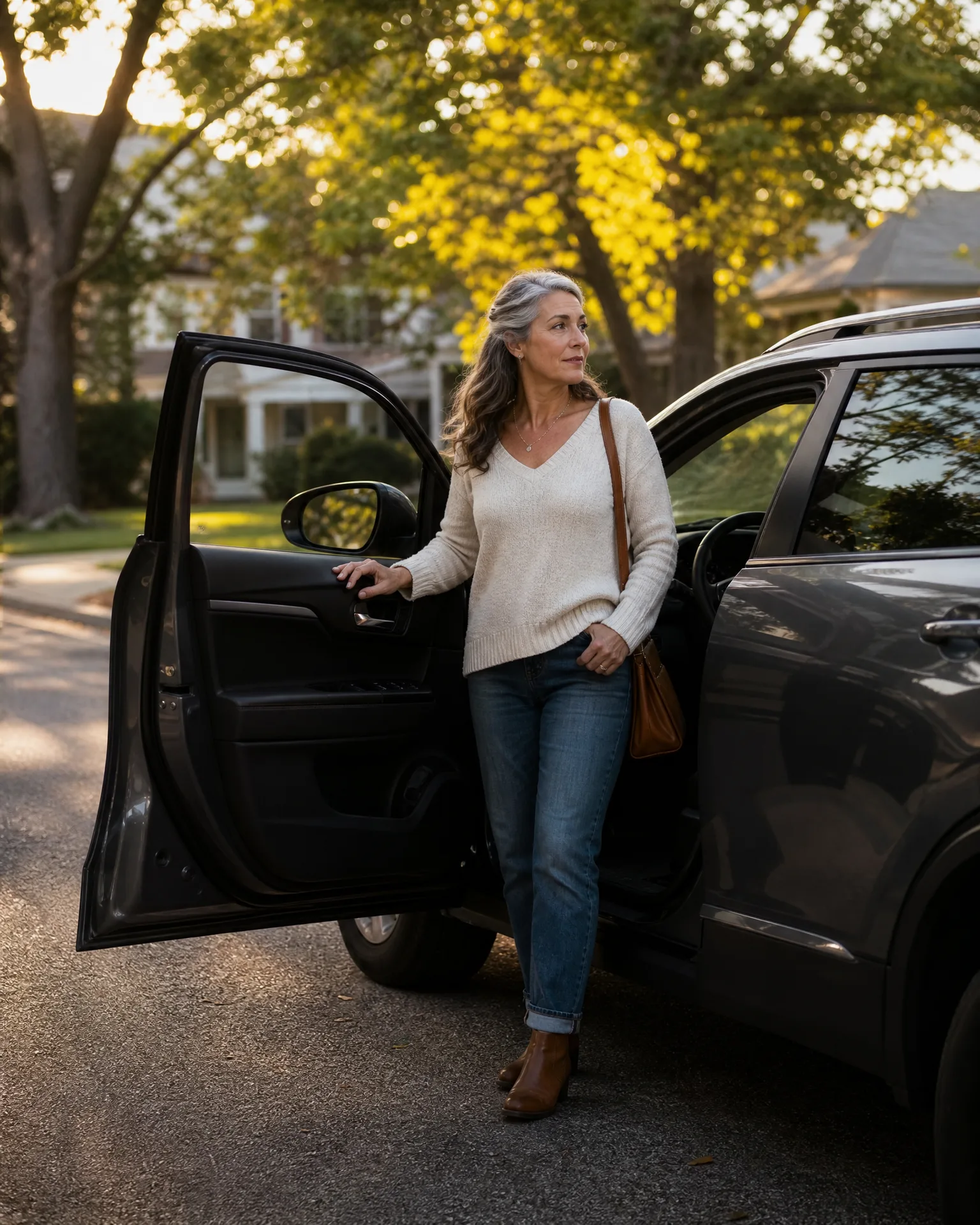
A non-owner policy provides liability-only coverage that follows you, not a specific vehicle. When you borrow a friend's car, rent a vehicle, or use a company vehicle for work purposes under your ODL restrictions, the non-owner policy's liability coverage applies if you cause an accident—subject to the borrowed vehicle owner's insurance being primary and your policy acting as secondary excess coverage.
The policy meets Texas minimum liability requirements: $30,000 bodily injury per person, $60,000 bodily injury per accident, $25,000 property damage. The carrier then files the SR-22 certificate electronically with Texas DPS, which updates your driver record to show proof of financial responsibility on file. This satisfies the SR-22 filing requirement Texas Transportation Code §601.153 imposes on DWI-related suspensions.
Non-owner policies do not cover collision or comprehensive damage to the vehicle you're driving. They do not provide coverage if you purchase or register a vehicle in your name—the moment you own a car, the non-owner policy becomes invalid and you must convert to a standard policy listing that vehicle. The policy exists solely to bridge the gap between suspension and reinstatement when you need SR-22 filing but don't own a vehicle to insure.
Texas DPS will not process an ODL court order until the SR-22 certificate appears on your driver record—the court order alone does not authorize driving.


Common Procedural Failures Non-Owner Buyers Face
Applicants frequently apply for standard SR-22 policies listing a family member's vehicle, then discover the policy is void because they're not listed on the vehicle's title or registration. Texas carriers require an insurable interest in the vehicle—if you don't own it or co-own it, you cannot insure it under a standard policy. Listing your spouse's car works only if you're a co-owner on the title; listing your parent's or friend's car does not.
Another common failure: buying a non-owner policy without confirming the carrier actually filed the SR-22 with DPS. Some carriers issue the policy immediately but delay filing the certificate for 3–5 business days pending underwriting review. If you present your ODL court order to DPS before the SR-22 hits your record, DPS will reject the application and you'll waste the trip. Always verify SR-22 filing status on your driver record before visiting a DPS office.
Non-owner policies automatically cancel if you purchase or register a vehicle. The carrier receives notification from Texas DMV's registration database and terminates the policy, which triggers an SR-22 lapse notification to DPS. If you're driving under an ODL when this happens, your ODL is immediately invalid and you're driving without valid licensure. When you buy a vehicle, contact your carrier the same day to convert the non-owner policy to a standard policy listing the new vehicle—do not wait for the carrier to discover the registration change.
2 years
Texas SR-22 Filing Duration Post-DWI
Texas Transportation Code §601.153 requires SR-22 filing for 2 years from the date your license is reinstated after a DWI suspension. The clock starts on reinstatement, not conviction—if you drive under an ODL for 18 months before full reinstatement, you still owe 2 years of SR-22 from that reinstatement date.
Texas Transportation Code §601.153

When Non-Owner SR-22 Is Not the Right Option
If you live with a family member who owns a vehicle and you have regular access to that vehicle under your ODL restrictions, most carriers will require you to be listed as a driver on the owner's standard policy rather than carrying a separate non-owner policy. This costs more but provides primary coverage rather than secondary excess, and avoids the coordination-of-benefits disputes that arise when both the vehicle owner's policy and your non-owner policy respond to the same accident.
Non-owner policies also do not work if you're required to install an ignition interlock device as a condition of your ODL. Interlock devices are installed in specific vehicles, and the device vendor reports those VINs to DPS—you cannot satisfy an interlock requirement with a non-owner policy because there's no specific vehicle to install the device in. If your ODL court order mandates interlock, you must have access to a specific vehicle registered in your name or a family member's name with written consent allowing interlock installation.
Compare Non-Owner SR-22 Carriers in Texas
Non-owner SR-22 rates vary significantly by carrier even for identical coverage—Dairyland, GAINSCO, Progressive, and The General all write this product in Texas, but premium differences of $20–$40/month are common depending on your county, age, and the time elapsed since your DUI conviction. USAA offers the lowest rates for military-eligible drivers but requires active duty, veteran, or family member status.
Get quotes from at least three carriers before buying. Confirm each quote includes SR-22 filing at no additional fee—some carriers charge $15–$25 for the initial filing. Verify the carrier files electronically with Texas DPS rather than mailing paper certificates, which delays your ODL application by 7–10 business days. Once you select a carrier, confirm SR-22 filing status on your DPS driver record within 48 hours of policy activation, then proceed with your ODL court petition or DPS license issuance depending on where you are in the process.
How to Get Non-Owner SR-22 Coverage in Texas
Contact a carrier that writes non-owner policies in Texas and explicitly ask for non-owner SR-22 coverage—many online quote tools default to standard policies and will not surface the non-owner option unless you specify it. Provide your driver license number, DUI conviction date, suspension order details, and the court order granting your ODL if you already have it. The carrier will pull your driving record, calculate your premium based on the DUI and any other violations in the lookback period, and issue the policy immediately upon payment.
The carrier files the SR-22 certificate electronically with Texas DPS within 24–48 hours of policy activation. DPS processes the filing and updates your record to show active SR-22 coverage—you can verify this by checking your driver record online at txdps.state.tx.us or calling DPS Driver License Division. Once the SR-22 appears on your record, you can present your ODL court order to a DPS office along with the $10 ODL issuance fee and receive the physical license.
Get Your Free Quote
Get My Texas Suspended License Insurance QuoteFrequently Asked Questions
Can I get an Occupational Driver License in Texas without SR-22 insurance?
No. Texas Transportation Code requires SR-22 filing for all ODL holders regardless of suspension reason. DPS will not issue the physical ODL until the SR-22 certificate appears on your driver record, even if the court has already granted your petition.
How much does non-owner SR-22 insurance cost in Texas after a DUI?
Typically $40–$75/month depending on carrier, county, and time since conviction. This is 30–50% less than standard SR-22 policies because non-owner policies exclude vehicle risk and provide liability-only coverage when you drive borrowed or rented vehicles.
What happens if I buy a car while on a non-owner SR-22 policy?
The non-owner policy automatically cancels when the carrier receives vehicle registration notification from Texas DMV. This triggers an SR-22 lapse filing with DPS, immediately invalidating your ODL. Contact your carrier the same day you register a vehicle to convert to a standard policy.
Do I need non-owner SR-22 if I live with someone who has a car?
Most carriers require you to be listed as a driver on the vehicle owner's standard policy if you have regular access to that vehicle. Non-owner policies are designed for drivers with no regular vehicle access—if you're borrowing the same car daily under ODL restrictions, the vehicle owner's insurer will likely deny coverage gaps.
How long does SR-22 filing take to appear on my Texas driver record?
Electronic filings typically appear within 24–48 hours. Always verify SR-22 status on your DPS driver record at txdps.state.tx.us before presenting your ODL court order to a DPS office—presenting the order before SR-22 filing posts results in rejection and wastes the application fee.
Can I use a non-owner policy if my ODL requires an ignition interlock device?
No. Interlock devices install in specific vehicles with registered VINs reported to DPS. You cannot satisfy an interlock requirement with a non-owner policy because there's no specific vehicle to install the device in—you need access to a titled vehicle with owner consent for interlock installation.