
Non-Owner SR-22 Insurance After a DWI — Texas
Free to compare
Why Texas Requires SR-22 Without a Vehicle
You do not own a car. Your license was suspended after a DWI arrest, and you need an Occupational Driver License to drive to work while the suspension runs its course. When you petition the court for the ODL, DPS tells you that SR-22 certificate of financial responsibility is required before they will issue the license. Every carrier you call asks for your vehicle VIN, and the conversation stalls when you explain you sold the car months ago.
Texas Transportation Code §601.153 requires SR-22 filing for every ODL holder regardless of whether they own a vehicle. The statute ties SR-22 to the license holder, not to a specific car. Non-owner SR-22 policies exist specifically for this situation — they provide the liability coverage and certificate filing DPS demands without requiring you to insure a vehicle you do not own.
“Texas ties SR-22 to the license holder, not to a vehicle — non-owner policies exist specifically for ODL holders without cars.”
Line Up Texas Coverage Before Reinstatement
Get My Texas Suspended License Insurance Quote$25–$45/mo
Non-Owner SR-22 Premium
Non-owner SR-22 policies in Texas typically cost $25 to $45 per month for minimum liability coverage ($30,000 bodily injury per person, $60,000 per accident, $25,000 property damage). Standard vehicle SR-22 policies start at $85/mo because they include collision and comprehensive exposure the carrier does not face with non-owner coverage.
Texas Department of Insurance rate filings, 2024
What Non-Owner SR-22 Actually Covers
Non-owner SR-22 is liability-only coverage that applies when you drive a vehicle you do not own. If you borrow a friend's car to drive to work under your ODL and cause an accident, the non-owner policy pays the other driver's medical bills and property damage up to your policy limits. The policy does not cover damage to the car you were driving — the owner's insurance handles that, or you pay out of pocket if the owner has no coverage.
The SR-22 certificate itself is a continuous-compliance filing the carrier submits to DPS electronically. DPS monitors the filing in real time. If you miss a premium payment and the policy lapses, the carrier notifies DPS within 10 days and your ODL is suspended immediately under Transportation Code §601.231. There is no grace period. The ODL stays suspended until you reinstate the policy and the carrier files a new SR-22.
Non-owner SR-22 does not satisfy the requirement if you later buy a vehicle. The moment you register a car in your name, you must switch to a standard SR-22 policy that lists the vehicle. Driving your own car under a non-owner policy leaves you uninsured for liability — DPS treats it as driving without insurance and your ODL is revoked.
Texas DPS requires SR-22 for every ODL holder, no exceptions — even for suspensions unrelated to DWI. Non-owner SR-22 is the only path forward if you sold your vehicle.

Court Order Timing and SR-22 Filing Sequence
Texas requires you to petition the court for the ODL — DPS does not grant them administratively. You file the petition in the county where you reside, and the court schedules a hearing within 30 to 60 days depending on docket load. The court order granting the ODL will specify that SR-22 filing is required, and it will name the routes and hours you are allowed to drive. You cannot get the physical ODL from DPS until the court order is signed and you present both the order and the SR-22 certificate to a DPS office.
Most petitioners file for SR-22 after the court grants the ODL but before visiting DPS. This timing avoids paying premiums during the court-processing window when you cannot drive anyway. However, some courts require proof of SR-22 filing at the hearing itself as evidence of financial responsibility. Check your county's local rules — Dallas, Harris, Tarrant, and Bexar county courts typically require SR-22 proof at the hearing; rural counties often allow you to file after the order is signed.
If you file for SR-22 before the hearing and your petition is denied, you are stuck paying premiums on a policy you cannot use until you refile. If you wait until after the order is signed, you add 48 hours to your timeline before DPS will issue the license. Neither path is wrong — the choice depends on your county's requirements and how fast you need to start driving.
2 years
Texas SR-22 Filing Duration
Texas Transportation Code §601.153 requires SR-22 filing for 2 years from the date of reinstatement for most DWI-related suspensions. The clock starts when DPS issues your ODL, not when the court grants the petition. If your policy lapses at any point during the 2-year period, the clock resets and you start the 2-year count over from the date you reinstate coverage.
Texas Transportation Code §601.153
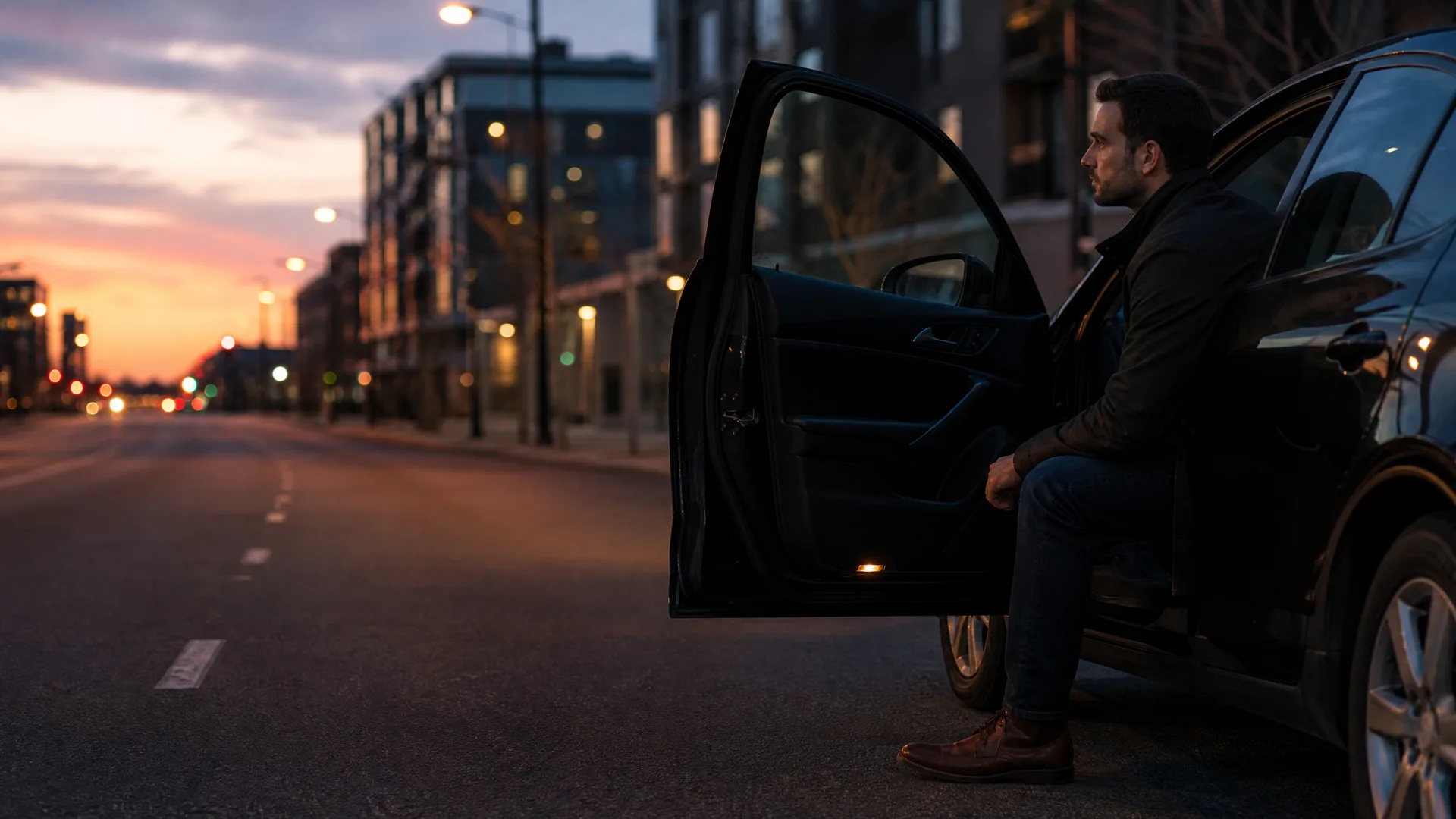
What Happens When You Need to Drive Someone Else's Car
Your ODL restricts you to specific routes and hours defined in the court order — typically driving to and from work, school, or for essential household duties, maximum 12 hours per day. If you need to borrow a car to drive those routes, your non-owner SR-22 policy provides liability coverage as long as the vehicle owner gives you permission and the trip falls within your ODL restrictions. Driving outside your court-defined routes or hours violates the ODL terms, and your SR-22 carrier will not defend a claim that occurs during a violation.
If you are in an at-fault accident while driving a borrowed car, the owner's insurance pays first under Texas's permissive-use rules. Your non-owner policy acts as secondary coverage if the owner's limits are exhausted. This stacking works to your advantage in serious accidents, but it also means the owner's carrier will see the claim on their record and may drop the owner's policy at renewal. Make sure anyone lending you a car understands this risk before you borrow it.
Switch to Standard SR-22 When You Buy a Vehicle
The day you register a vehicle in your name, your non-owner SR-22 policy becomes invalid for that vehicle. Call your carrier immediately and convert the policy to a standard SR-22 that lists the car. The carrier will file an updated SR-22 with DPS showing the vehicle VIN, and your premium will increase to reflect the added collision and comprehensive exposure. If you drive the newly registered car under the non-owner policy without notifying the carrier, DPS treats you as uninsured and suspends your ODL.
Some carriers allow you to convert the existing policy and preserve your SR-22 filing continuity. Others require you to cancel the non-owner policy and start a new standard policy, which creates a 24- to 48-hour gap in SR-22 filing while the new carrier processes the certificate. During that gap, you cannot legally drive under your ODL. Schedule the conversion at least 3 business days before you pick up the car to avoid the gap. Confirm with the carrier that DPS shows continuous SR-22 filing before you drive the vehicle.
How to Get Non-Owner SR-22 in Texas
Start by calling carriers who explicitly list non-owner SR-22 on their Texas product pages. Dairyland, The General, Progressive, USAA (military-eligible only), and Bristol West all write non-owner SR-22 in Texas. GAINSCO and Direct Auto also offer it through their non-standard divisions. When you call, state upfront that you need non-owner SR-22 for an ODL application — the agent will route you to the correct underwriting team. Expect the carrier to ask for your DPS driver record, your ODL court order (if you already have it), and your DWI case number.
The carrier files the SR-22 electronically with DPS within 24 to 48 hours after your first premium payment clears. DPS updates your driver record to show active SR-22 filing, and you can verify the status through the DPS online driver record portal at txdps.state.tx.us. Print the SR-22 certificate the carrier sends you and attach it to your ODL petition when you file with the court. Some courts require the original certificate on Texas Department of Insurance-approved carrier letterhead — confirm with your county clerk before filing.
Get Your Free Quote
Get My Texas Suspended License Insurance QuoteFrequently Asked Questions
Can I get an Occupational Driver License in Texas without owning a car?
Yes. Texas requires SR-22 filing for every ODL holder, but non-owner SR-22 policies satisfy the requirement without vehicle ownership. You still need to petition the court for the ODL and prove essential need (work, school, medical), but the lack of a vehicle does not disqualify you from eligibility.
How much does non-owner SR-22 cost in Texas after a DWI?
Non-owner SR-22 policies in Texas typically cost $25 to $45 per month for state minimum liability coverage. Standard SR-22 policies with a vehicle start at $85/mo because they include collision and comprehensive coverage the carrier does not face with non-owner policies.
What happens if my non-owner SR-22 policy lapses in Texas?
If you miss a premium payment and the policy lapses, the carrier notifies DPS within 10 days and DPS suspends your ODL immediately. There is no grace period. Your ODL stays suspended until you reinstate the policy and the carrier files a new SR-22 certificate with DPS.
Does non-owner SR-22 cover me if I borrow a friend's car in Texas?
Yes, as long as you have the owner's permission and you drive within the routes and hours defined in your ODL court order. The owner's insurance pays first under Texas permissive-use rules, and your non-owner SR-22 acts as secondary coverage if the owner's limits are exhausted.
Do I need to switch from non-owner SR-22 when I buy a car in Texas?
Yes. The day you register a vehicle in your name, you must convert your non-owner policy to a standard SR-22 that lists the vehicle. Driving your own car under a non-owner policy leaves you uninsured, and DPS will suspend your ODL if the carrier reports the lapse.
How long do I need to maintain SR-22 filing after a Texas DWI?
Texas requires SR-22 filing for 2 years from the date DPS issues your ODL. If your policy lapses at any point during the 2-year period, the clock resets and you start the 2-year count over from the date you reinstate coverage.