
Non-Owner SR-22 Insurance for Borrowed Cars — Texas
Free to compare
The Non-Owner Policy Gap Texas Doesn't Explain
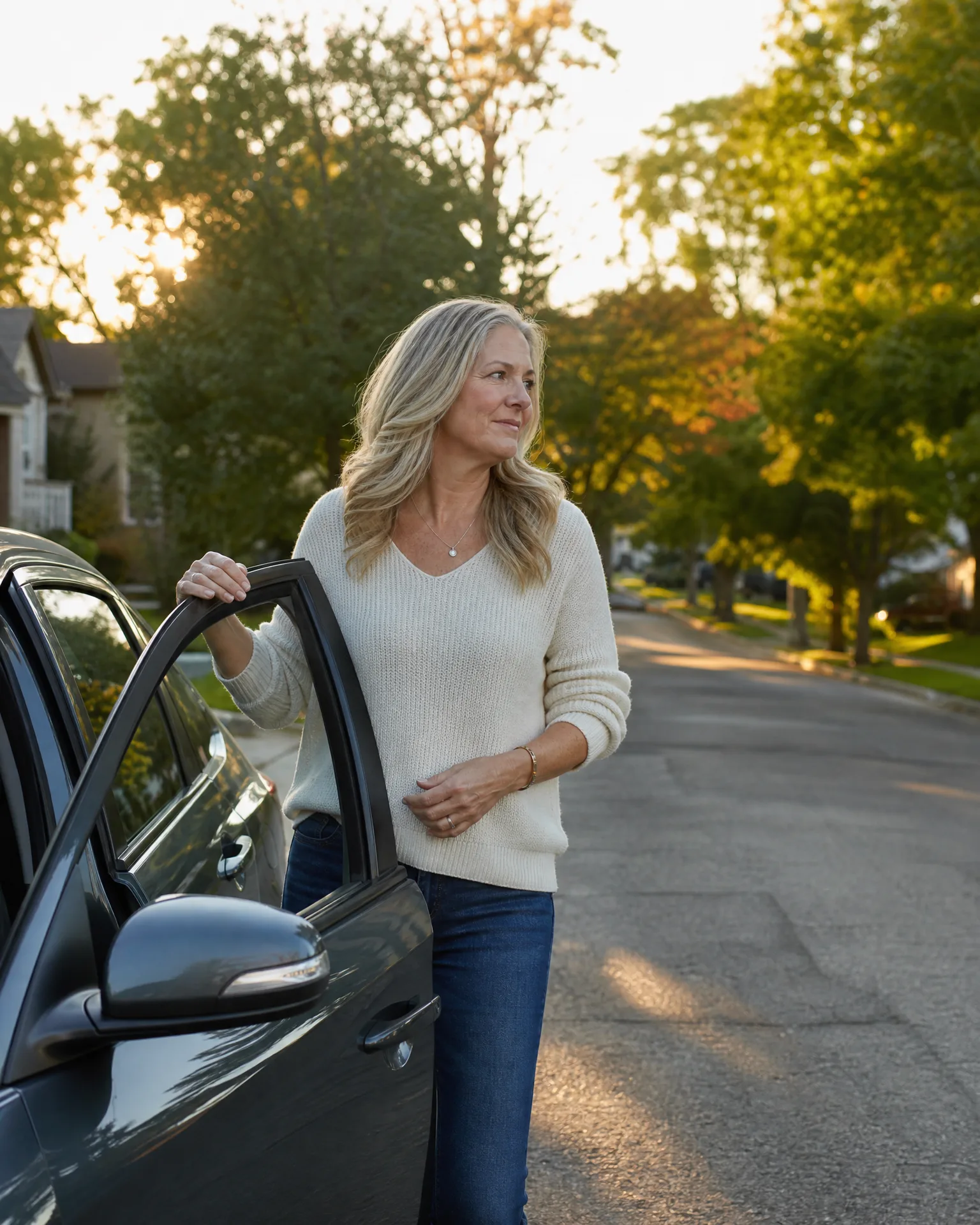
Your Texas license is suspended and you've purchased non-owner SR-22 insurance to satisfy DPS reinstatement requirements. You don't own a vehicle, but your roommate, partner, or family member is letting you borrow theirs for work or essential trips. You assume the SR-22 policy in your name covers you when you drive their car. It doesn't. Texas DPS accepts your SR-22 filing as proof of financial responsibility, but that filing obligation is separate from actual collision and liability coverage when you're behind the wheel of someone else's vehicle.
This structural gap catches suspended Texas drivers every day. The SR-22 certificate you file with DPS under Transportation Code §601.153 proves you carry minimum liability coverage—$30,000 bodily injury per person, $60,000 per accident, $25,000 property damage—but non-owner policies are designed to cover you only as an occasional driver of vehicles you don't own or have regular access to. If you're regularly borrowing the same vehicle, insurers classify you as a household member or regular user, and your non-owner policy's exclusions kick in. The borrowed vehicle's owner policy becomes primary, and if that policy doesn't list you as a driver, you're driving uninsured despite holding a valid SR-22 filing.
“Your non-owner SR-22 keeps DPS satisfied but doesn't insure borrowed vehicles you have regular access to—only the owner's policy covers that.”
Line Up Texas Coverage Before Reinstatement
Get My Texas Suspended License Insurance Quote$30/$60/$25
Texas Minimum Liability Limits
Non-owner SR-22 policies in Texas must meet these statutory minimums under Transportation Code §601.072 to satisfy DPS reinstatement requirements. The SR-22 certificate filed with DPS certifies continuous coverage at or above these thresholds for the required 2-year period.
Texas Transportation Code §601.072, §601.153
What Non-Owner SR-22 Actually Covers in Texas
A non-owner SR-22 policy is liability-only coverage that follows you when you drive vehicles you don't own and don't have regular access to. It's secondary coverage: if the vehicle owner's policy covers the loss, that policy pays first. Your non-owner policy steps in only when the owner's policy doesn't apply or when limits are exhausted. Non-owner policies exclude vehicles you own, vehicles registered to household members, vehicles you use for business, and vehicles you have regular or frequent access to. That last exclusion is the structural blocker most suspended Texas drivers miss.
Texas DPS requires continuous SR-22 filing for 2 years from your reinstatement date if your suspension resulted from DWI, uninsured driving, or certain judgment-related cases. The SR-22 filing obligation is separate from the coverage question. You can hold a valid SR-22 certificate that keeps your license reinstated while simultaneously being uninsured for a specific drive. Carriers report policy cancellations and lapses to DPS electronically through the TexasSure database. If your non-owner policy lapses, DPS receives notice within days and your license suspension is reinstated under Transportation Code §601.231, but that reporting system doesn't tell DPS whether you were actually covered for a specific borrowed-vehicle trip.
Most non-owner policies issued by carriers writing in Texas—GAINSCO, Dairyland, Progressive, The General, USAA, Geico, Bristol West—cover you when you rent a car or borrow a friend's vehicle occasionally. They do not cover you when you're the regular or principal driver of a household member's vehicle. If you're borrowing your spouse's car daily for work, you're a household member and must be added as a named driver on that vehicle's policy. If you're borrowing your roommate's car three times a week for groceries and errands, insurers classify that as regular use and your non-owner policy's exclusions apply.

Your non-owner SR-22 keeps DPS satisfied but doesn't insure you when you drive a borrowed vehicle you have regular access to—only the owner's policy covers that.



The Household Member Trap Texas Suspended Drivers Hit
You live with your spouse, parent, or roommate. You don't own a vehicle, so you purchased non-owner SR-22 insurance to satisfy DPS and reinstate your Occupational Driver License. You borrow the household member's car regularly—daily for work, twice a week for groceries, whenever you need to drive. You assume your non-owner policy covers those trips because the vehicle isn't titled in your name. It doesn't. Insurers classify you as a household member with regular access, and household members must be listed as rated drivers on the vehicle owner's policy to be covered.
This creates a structural conflict suspended Texas drivers face constantly. Adding you as a named driver on the household vehicle policy triggers higher premiums because carriers rate you as a high-risk driver—your suspension history, DWI conviction, or points accumulation all increase the household policy's cost significantly. Many vehicle owners refuse to add you or cannot afford the premium increase. You're left with two choices: stop driving the household vehicle entirely, or drive it uninsured and hope you're never in an accident. Your non-owner SR-22 policy remains active, DPS sees continuous coverage, and your ODL stays valid, but you're driving uninsured every time you borrow that household vehicle.
Some carriers writing non-owner SR-22 policies in Texas—Dairyland, GAINSCO, Bristol West—allow you to purchase a named-driver exclusion endorsement on the household vehicle owner's policy. This endorsement explicitly excludes you from coverage on that vehicle, which prevents the carrier from rating you into the premium. You then rely entirely on your non-owner policy when you drive other vehicles outside the household. This works only if you can avoid driving the excluded household vehicle. If you're caught driving the excluded vehicle and cause an accident, neither the owner's policy nor your non-owner policy will cover the loss, and you're personally liable for all damages.
2 years
Texas SR-22 Filing Period
DPS requires continuous SR-22 filing for 2 years from the reinstatement date for DWI, uninsured driving, and judgment-related suspensions under Transportation Code §601.153. Any lapse triggers automatic license re-suspension, and the 2-year clock resets from the new reinstatement date.
Texas Transportation Code §601.153
What Happens When You're in an Accident Driving a Borrowed Car
You're driving a friend's car with permission. You cause an accident. The injured party's attorney investigates coverage. The friend's carrier reviews the policy and determines you're excluded as a household member or regular user. Your non-owner SR-22 carrier reviews your policy and denies the claim under the regular-access exclusion because you've borrowed this vehicle multiple times before. Both policies deny coverage. You're personally liable for all bodily injury and property damage claims. The injured party sues you. Texas courts can garnish wages, place liens on future assets, and pursue judgments for years. Your SR-22 filing with DPS remains active because neither policy lapsed—you're still in compliance with DPS reinstatement requirements—but you're financially exposed.
This outcome is common and preventable. Before you borrow any vehicle in Texas while holding a non-owner SR-22 policy, confirm three things with the vehicle owner: their policy covers permissive users, you're not excluded by name or household-member status, and the owner has actually given explicit permission documented in writing if possible. If you borrow the same vehicle more than twice in a 30-day period, contact your non-owner SR-22 carrier and ask whether that frequency triggers the regular-access exclusion. Most carriers define regular access as any pattern of repeated use—three times a month, twice a week, daily commutes—and will deny future claims if you don't disclose the arrangement up front.
Compare Non-Owner SR-22 Carriers Writing in Texas
GAINSCO, Dairyland, Progressive, The General, USAA, Geico, and Bristol West all write non-owner SR-22 policies in Texas and file electronically with DPS through TexasSure. Monthly premiums for non-owner SR-22 coverage typically range from $45 to $85 depending on your violation history, age, county, and whether your suspension was DWI-related or administrative. Carriers vary significantly in how they define regular access and household member status. GAINSCO and Dairyland both allow up to two borrowed-vehicle uses per month without triggering exclusions. Progressive and Geico apply stricter household-member rules and exclude any vehicle garaged at your residence address regardless of use frequency. The General writes non-owner policies with permissive-use coverage for occasional borrowed-vehicle trips but voids claims if the borrowed vehicle is registered to someone at your address.
Get quotes from at least three carriers and ask each one specifically: does this policy cover me when I borrow a household member's car, does it cover me when I borrow the same non-household vehicle twice a month, and what documentation do I need to provide if I'm in an accident while driving a borrowed car. Confirm the carrier files SR-22 certificates electronically with Texas DPS and maintains continuous reporting through TexasSure. Any lapse in your non-owner policy triggers automatic DPS notification and re-suspension of your license, resetting your 2-year SR-22 clock from the new reinstatement date.
When the Borrowed Vehicle Owner's Policy Covers You
Texas operates under a permissive-use doctrine: when a vehicle owner gives you explicit or implied permission to drive their car, their liability policy extends to you as the driver, subject to the policy's terms. Most standard auto policies in Texas cover permissive users automatically without requiring the owner to notify the carrier in advance. If you borrow your friend's car once to move furniture and that friend gave you permission, their policy covers you while you're driving. The owner's policy limits apply—if they carry $30,000 bodily injury per person and you cause an accident that injures someone requiring $50,000 in medical care, the owner's policy pays the first $30,000 and you're personally liable for the remaining $20,000. Your non-owner SR-22 policy does not step in to cover that gap because the borrowed vehicle falls under the regular-access exclusion if you've borrowed it before.
Exclusions override permissive use. If the vehicle owner's policy excludes you by name—common when the owner knows you have a suspended license history—the policy won't cover you even with permission. If you're a household member and not listed as a rated driver on the owner's policy, most carriers exclude household members automatically under named-driver exclusions. If the vehicle is used for commercial purposes—rideshare, delivery, business use—and the policy doesn't include commercial coverage, permissive use doesn't apply. If you're driving without a valid license at the time of the accident, most policies void coverage under the unlicensed-driver exclusion, even if you hold an SR-22 filing with DPS. Check the owner's policy declarations page and exclusions section before assuming you're covered.
Get Your Free Quote
Get My Texas Suspended License Insurance QuoteFrequently Asked Questions
Does non-owner SR-22 insurance cover me when I borrow someone's car in Texas?
Non-owner SR-22 covers you only when borrowing vehicles occasionally—not vehicles you have regular access to or vehicles owned by household members. If you borrow the same car repeatedly or live with the owner, your non-owner policy's exclusions apply and the owner's policy must cover you. Texas DPS accepts your SR-22 filing for reinstatement regardless, but actual collision and liability coverage depends on the borrowed vehicle owner's policy terms.
What happens if I'm in an accident driving a borrowed car with non-owner SR-22 insurance?
The borrowed vehicle owner's insurance is primary and pays first if you had permission and aren't excluded. Your non-owner policy steps in only if the owner's policy doesn't apply and you meet your policy's use conditions. If both policies deny the claim—because you're a household member or had regular access—you're personally liable for all damages. Your SR-22 filing with DPS stays active, but you face lawsuits, wage garnishment, and asset liens from the injured party.
Can I add myself to a household member's car insurance if I have a suspended license in Texas?
Yes, but carriers rate you as a high-risk driver and the household policy premium increases significantly—often $100 to $250 per month depending on your violation history. Some household members refuse to add you or can't afford the increase. An alternative is a named-driver exclusion endorsement that explicitly excludes you from the household vehicle, letting you rely on your non-owner SR-22 for other borrowed cars. If you drive the excluded vehicle and cause an accident, neither policy covers you.
How long do I need to keep SR-22 insurance after Texas reinstates my license?
Texas DPS requires continuous SR-22 filing for 2 years from your reinstatement date for DWI, uninsured driving, and judgment-related suspensions under Transportation Code §601.153. Any lapse triggers automatic re-suspension and resets the 2-year clock from your new reinstatement date. Carriers report lapses to DPS electronically through TexasSure within days of cancellation.
Does my non-owner SR-22 policy cover rental cars in Texas?
Yes. Non-owner SR-22 policies typically cover rental vehicles because you don't have regular access and aren't a household member of the rental company. Confirm your policy includes rental coverage before declining the rental agency's liability waiver. Your non-owner policy provides only the state minimum liability limits—$30,000/$60,000/$25,000 in Texas—so you may want supplemental coverage from the rental agency if you're concerned about higher-value accidents.
What is the difference between SR-22 filing and actual car insurance coverage in Texas?
SR-22 is a certificate your insurance carrier files with Texas DPS proving you carry continuous liability coverage at state minimum limits. The filing satisfies DPS reinstatement requirements, but it doesn't determine whether you're actually covered during a specific drive. You can hold a valid SR-22 filing and still be uninsured if you're driving a vehicle excluded under your policy's terms—household vehicles, regularly borrowed cars, or vehicles you're explicitly excluded from.