
Non-Owner SR-22 Insurance for Drivers With Points — Texas
Free to compare
The Non-Owner SR-22 Gap Texas Doesn't Explain
You received your Texas DPS suspension notice for points accumulation. The notice states you need SR-22 filing to reinstate. You don't own a vehicle. You call your old insurer — the one that dropped you when the suspension hit — and they tell you SR-22 requires an active auto policy, which requires an insured vehicle, which you don't have. DPS offers no clarification on how to satisfy a filing requirement when you have nothing to insure.
The structural reality: non-owner SR-22 insurance exists precisely for this situation. It's liability-only coverage that applies when you drive vehicles you don't own — borrowed cars, rental cars, employer vehicles. The SR-22 filing attaches to this policy and satisfies DPS's reinstatement requirement. Texas DPS does not distinguish between owner and non-owner SR-22 filings; both clear the suspension block. Most carriers writing standard auto policies won't mention non-owner policies exist because they don't market them. The suspended driver calls three carriers, hears "you need a vehicle," and assumes reinstatement is impossible without buying a car first.
“Texas DPS does not distinguish between owner and non-owner SR-22 filings — both clear the suspension block, but most carriers won't tell you non-owner exists.”

Line Up Texas Coverage Before Reinstatement
Get My Texas Suspended License Insurance Quote$25–$45/mo
Non-Owner SR-22 Premium Range
Non-owner SR-22 policies in Texas typically cost $25–$45 per month for state minimum liability coverage plus the SR-22 filing fee. This is 60–70% less than owner SR-22 policies because non-owner policies carry significantly lower risk exposure.
Estimates based on available carrier rate data; individual rates vary by points count and violation history
What Non-Owner SR-22 Actually Covers
A non-owner SR-22 policy provides liability coverage when you drive a vehicle you don't own and don't have regular access to. Texas minimum liability is $30,000 per person bodily injury, $60,000 per accident bodily injury, and $25,000 property damage. The policy does not cover damage to the vehicle you're driving — that's the vehicle owner's responsibility through their collision coverage.
The SR-22 certificate is a state-mandated proof-of-financial-responsibility filing. When you purchase a non-owner policy, the carrier electronically files the SR-22 with Texas DPS within 24–72 hours. DPS updates your record to show compliance. The filing remains active as long as the policy remains active. If you cancel the policy or let it lapse, the carrier notifies DPS immediately and your license suspends again.
Non-owner policies exclude vehicles you own, vehicles registered to you, vehicles furnished for your regular use, and vehicles owned by household members. If you live with someone who owns a car and allows you regular access, most carriers will not issue a non-owner policy — they'll require you to be added as a named driver on that household member's policy instead. Occasional borrowing is acceptable; regular exclusive use disqualifies you.
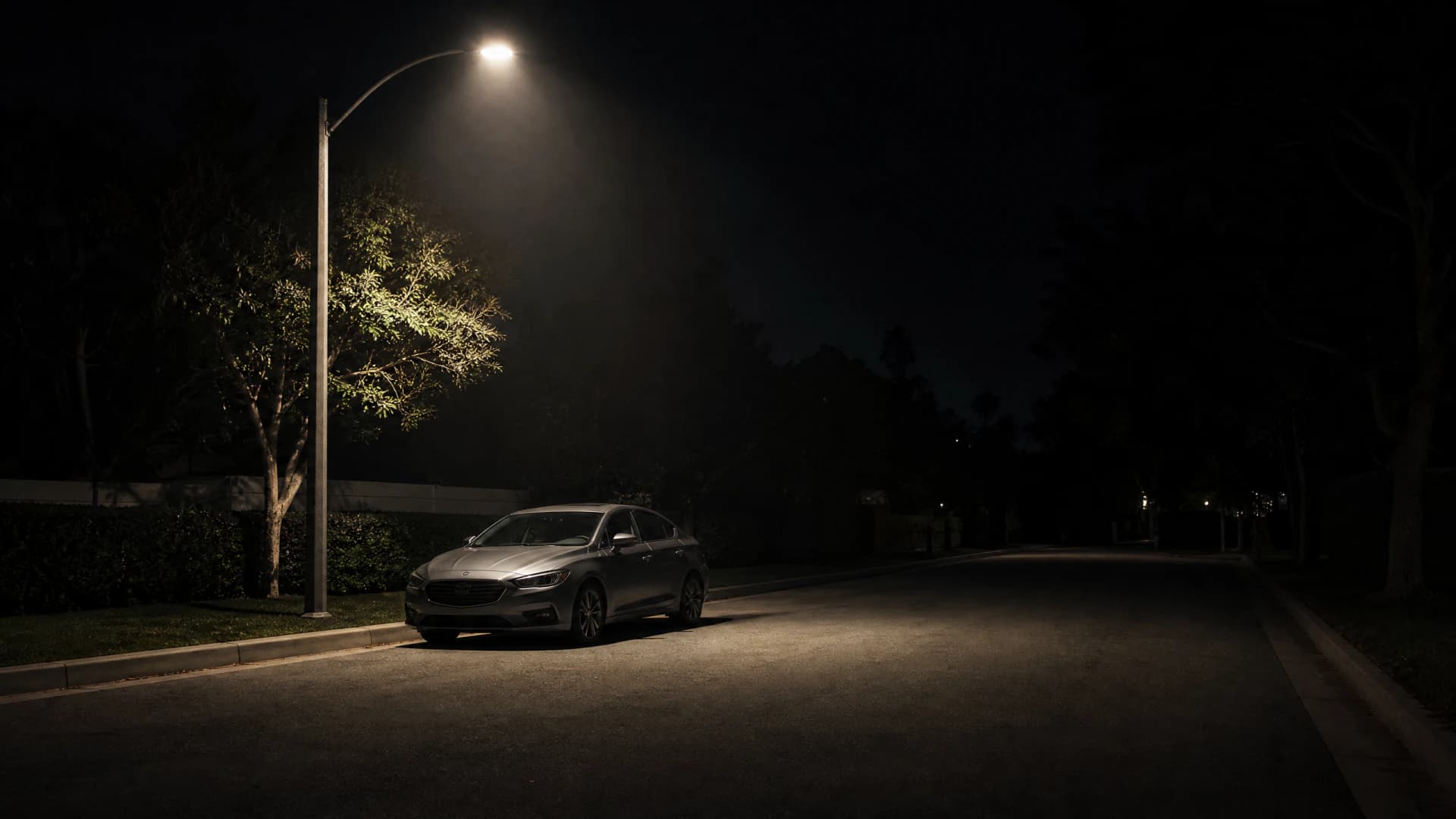
Texas DPS counts points from the violation date, not the conviction date. Your suspension starts the day you hit six points in three years — even if court proceedings are still pending.





The Two-Year SR-22 Filing Window
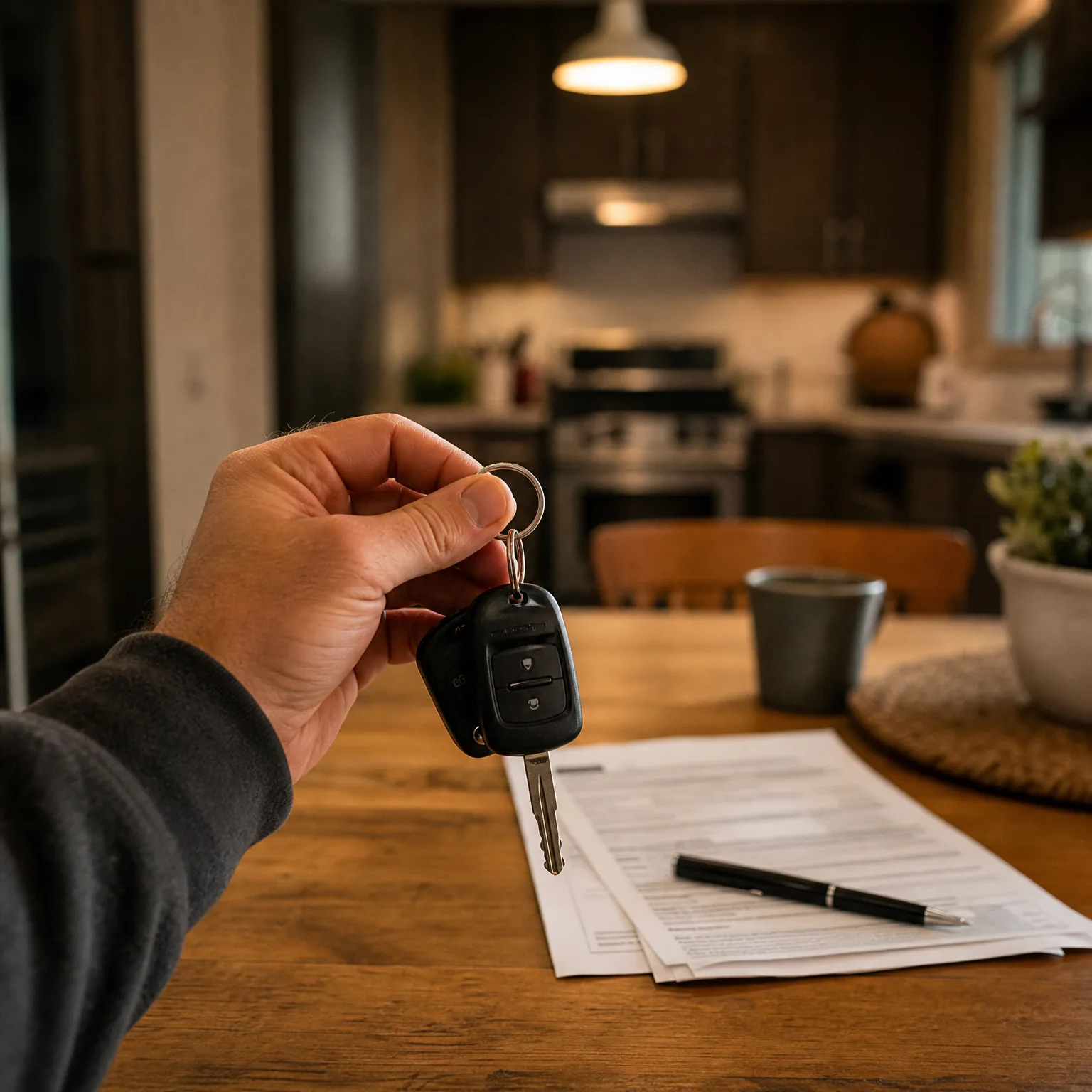
Texas requires SR-22 filing for two years from your reinstatement date under Transportation Code §601.153 for most violation-related suspensions. The clock starts when DPS reinstates your license, not when you purchase the policy. If you buy the non-owner policy today but wait 60 days to complete reinstatement, your two-year filing window begins 60 days from now.
The filing must remain continuous. If the policy lapses for any reason — non-payment, cancellation, switching carriers without overlap — the carrier notifies DPS electronically within 24 hours. DPS suspends your license immediately. When you reinstate after a lapse, the two-year clock resets to zero. A single missed payment that triggers a five-day lapse adds two full years to your total filing obligation.
Most carriers allow you to switch from a non-owner policy to a standard owner policy mid-filing-period without breaking SR-22 continuity. If you purchase a vehicle six months into your filing period, notify your carrier before the purchase. The carrier will convert your non-owner policy to a standard policy or issue a new standard policy with SR-22 attached, cancel the non-owner policy on the same effective date, and ensure DPS never sees a gap. Do not cancel the non-owner policy yourself and assume you can file SR-22 separately later — any gap, even one day, triggers suspension and restarts the clock.
$125
Texas License Reinstatement Fee
Texas DPS charges a $125 base reinstatement fee for most suspensions. This fee is separate from the SR-22 filing fee (typically $15–$25 one-time) and the non-owner policy premium. Payment is required before DPS will process your reinstatement, even if your SR-22 is already on file.
Texas Department of Public Safety Driver License Reinstatement fee schedule

Occupational Driver License Eligibility During Suspension
Texas offers an Occupational Driver License (ODL) — also called a hardship license or Cinderella License — that allows limited driving for essential needs during your suspension period. The ODL is obtained through a county or district court petition, not through DPS directly. You petition the court, and if approved, the court issues an order specifying your allowed driving routes and hours. You present that court order to DPS along with your SR-22 certificate, and DPS issues the physical ODL.
SR-22 filing is mandatory for every ODL holder in Texas regardless of suspension cause. Even if your points-based suspension does not otherwise require SR-22 for full reinstatement, obtaining an ODL triggers the SR-22 requirement. The non-owner SR-22 policy satisfies this requirement. You purchase the policy, the carrier files the SR-22 with DPS, you present proof of filing to the court as part of your ODL petition, and the court considers SR-22 compliance when deciding whether to grant the ODL. Without SR-22 on file, most courts will deny the ODL petition outright.
Compare Non-Owner Carriers and File Today
You now understand the structural path: purchase a non-owner SR-22 policy from a carrier writing suspended-license business in Texas, allow 24–72 hours for the carrier to file the SR-22 with DPS electronically, pay the $125 reinstatement fee to DPS, and complete any other reinstatement conditions DPS lists on your suspension notice. If you need an ODL during suspension, file the SR-22 first, then petition the court with proof of SR-22 compliance. The non-owner policy costs $25–$45 per month and remains active for the full two-year filing period after reinstatement. Request quotes from Dairyland, The General, Progressive, GAINSCO, and Geico to compare rates and coverage options specific to your violation history and county.
Carriers Writing Non-Owner SR-22 in Texas
Dairyland writes non-owner SR-22 policies in Texas through its Security National Insurance Co underwriting entity (NAIC 33120). Dairyland's Texas page explicitly describes non-owner SR-22 as available for suspended drivers. Application is online or by phone. The General writes non-owner SR-22 through Old American County Mutual Fire Insurance Company (domiciled in Texas, NAIC not published). The General lists Texas DPS in its SR-22 DMV contact directory and offers online quotes for non-owner policies. GAINSCO writes non-owner SR-22 in Texas (NAIC 40150, AM Best A- rating). GAINSCO is a non-standard carrier that explicitly names SR-22 in agent documentation.
Progressive writes non-owner SR-22 through Progressive County Mutual Insurance Company (NAIC 24260 group). Progressive offers online quotes for non-owner policies and accepts points-suspended applicants. USAA writes non-owner SR-22 for eligible members (military affiliation required). USAA's reciprocal is domiciled in Texas (NAIC 25941 group 200, AM Best A++ Superior rating). Geico writes non-owner policies in Texas (NAIC 22063 group 31) and accepts SR-22 filings, but eligibility for suspended drivers varies by underwriting review. Application through Geico's online portal or by phone with an agent who can access non-standard underwriting.
Get Your Free Quote
Get My Texas Suspended License Insurance QuoteFrequently Asked Questions
Can I get non-owner SR-22 insurance in Texas if I live with someone who owns a car?
Most carriers will not issue a non-owner policy if you live with someone who owns a vehicle and allows you regular access to it. Carriers require you to be added as a named driver on that household member's policy instead. Occasional borrowing is acceptable, but regular exclusive use of a household vehicle disqualifies you from non-owner coverage.
How long does it take for SR-22 to show up on my Texas DPS record after I buy the policy?
Carriers electronically file the SR-22 with Texas DPS within 24–72 hours of policy purchase. DPS typically updates your record within 3–5 business days after receiving the filing. You can verify SR-22 compliance by checking your driver record online through the Texas DPS Driver License Reinstatement portal or by calling DPS directly.
Do I need non-owner SR-22 if I'm only suspended for unpaid tickets, not points?
Unpaid ticket suspensions in Texas typically do not require SR-22 filing unless the underlying violation was insurance-related or resulted in points that triggered a separate points-based suspension. Check your DPS suspension notice — if it lists SR-22 as a reinstatement requirement, you need the filing regardless of suspension cause. If SR-22 is not listed, paying the tickets and the reinstatement fee clears the suspension without needing insurance.
What happens if I buy a car while I still have six months left on my non-owner SR-22 filing period?
Contact your carrier before purchasing the vehicle. The carrier will convert your non-owner policy to a standard owner policy or issue a new standard policy with the SR-22 filing attached, then cancel the non-owner policy on the same effective date to ensure no gap. Any lapse in SR-22 filing, even one day, triggers immediate suspension and resets your two-year filing clock to zero.
Can I get an Occupational Driver License in Texas with just a non-owner SR-22 policy?
Yes. Texas requires SR-22 for all Occupational Driver License (ODL) holders regardless of suspension cause. A non-owner SR-22 policy satisfies this requirement. You purchase the policy, the carrier files the SR-22 with DPS, and you present proof of SR-22 compliance to the court when you petition for the ODL. Most courts will deny ODL petitions if SR-22 is not already on file with DPS.
Does non-owner SR-22 cover me if I rent a car in Texas?
Yes. Non-owner SR-22 provides liability coverage when you drive vehicles you don't own, including rental cars. The policy covers bodily injury and property damage you cause to others, but does not cover damage to the rental vehicle itself — you need the rental company's collision damage waiver or a separate rental car damage policy for that.
How much does the SR-22 filing itself cost in Texas, separate from the insurance premium?
The SR-22 filing fee is typically $15–$25 as a one-time charge when the carrier files the certificate with DPS. This fee is separate from your monthly non-owner policy premium ($25–$45/mo) and the $125 DPS reinstatement fee. Some carriers include the filing fee in the first month's premium; others bill it separately.