
Non-Owner SR-22 Insurance for First-Time Filers — Texas
Free to compare
The Non-Owner SR-22 Question Texas DPS Does Not Answer
You received notification from Texas DPS that you need SR-22 financial responsibility filing to reinstate your suspended license. The letter does not specify whether you need to own a vehicle. You called three insurance agents and received three different answers about whether a non-owner policy satisfies the requirement. One agent told you that you cannot file SR-22 without a registered vehicle in your name. That agent was wrong.
Texas Transportation Code §601.153 requires proof of financial responsibility filing — it does not require vehicle ownership. A non-owner SR-22 policy satisfies the DPS reinstatement requirement for suspended drivers who do not own a vehicle. The confusion exists because DPS reinstatement paperwork does not distinguish between owner and non-owner filings. Both policy types trigger the same electronic notification to DPS that you now carry the required coverage.
“DPS does not distinguish between owner and non-owner SR-22 filings — both policy types satisfy the reinstatement requirement.”

Line Up Texas Coverage Before Reinstatement
Get My Texas Suspended License Insurance Quote$25–$50/mo
Non-Owner SR-22 Premium Texas
Non-owner SR-22 policies in Texas typically cost $25 to $50 per month for liability-only coverage meeting state minimums ($30,000 bodily injury per person, $60,000 per accident, $25,000 property damage). The policy provides coverage when you drive borrowed or rented vehicles but does not cover a vehicle you own or regularly use.
Texas Transportation Code §601.072
What Non-Owner SR-22 Actually Covers in Texas
A non-owner SR-22 policy in Texas provides liability coverage when you drive a vehicle you do not own. The policy follows you, not a specific vehicle. If you borrow a friend's car, rent a vehicle, or use a car-sharing service, the non-owner policy provides your liability coverage up to the policy limits. The vehicle owner's insurance remains primary — your non-owner policy acts as secondary coverage if the owner's limits are exhausted.
Non-owner policies do not cover vehicles you own, vehicles registered in your name, or vehicles you use regularly (defined by most carriers as more than twice per month). If you live with a household member who owns a vehicle and you drive that vehicle regularly, you must be added to their policy as a named driver — a non-owner policy will not cover you in that scenario. Carriers verify household composition during underwriting specifically to prevent this coverage gap.
The SR-22 certificate attached to a non-owner policy certifies to DPS that you carry continuous liability coverage meeting Texas minimums. DPS does not track whether the underlying policy is owner or non-owner. The electronic filing confirms only that valid coverage exists. The $125 reinstatement fee you pay to DPS covers processing regardless of policy type.
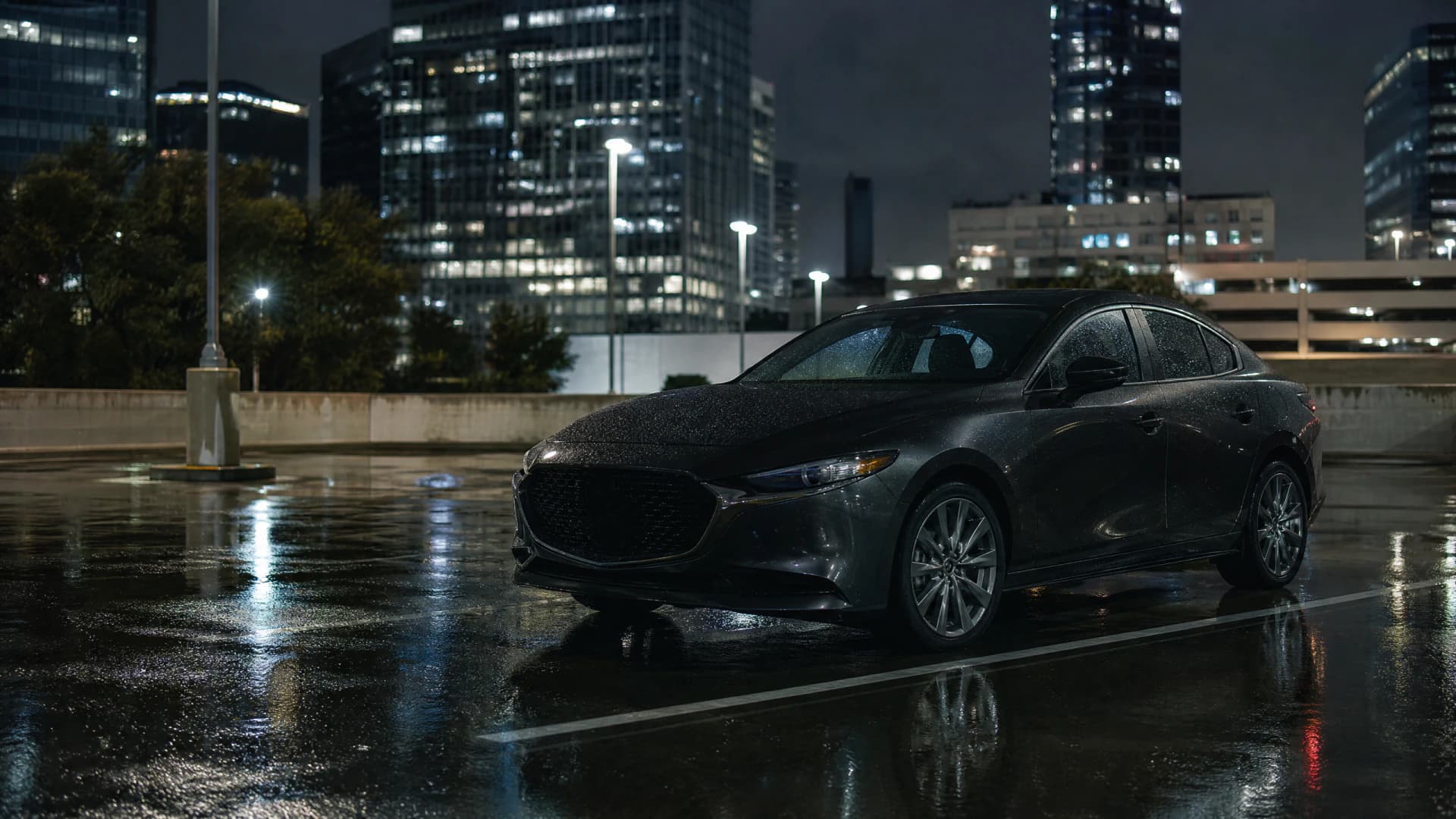
If you own a vehicle or regularly drive a household member's car, a non-owner policy will not cover you and DPS reinstatement will not protect you from liability in a crash.



The Two-Year Continuous Coverage Window
Texas requires SR-22 filing for 2 years from your reinstatement date for most DWI and liability-related suspensions under Transportation Code §601.153. The coverage must remain continuous without lapses. If your policy cancels for non-payment or you cancel the policy yourself, the carrier notifies DPS electronically within 10 days. DPS immediately suspends your license again and you must restart the entire 2-year filing period from the new reinstatement date.
This restart penalty catches first-time filers off guard. A single missed payment that results in policy cancellation does not merely extend your filing period by the number of days you were uninsured — it resets the entire 2-year clock to zero. If you were 18 months into your filing period and your policy lapses, you owe DPS another 2 years starting from the date you reinstate with a new SR-22 certificate. The $125 reinstatement fee applies again.
Carriers do not send reminder notices before canceling for non-payment beyond the standard grace period stated in your policy documents (typically 10 to 15 days past the due date). Setting up automatic payment from a checking account prevents lapses. If you know you will miss a payment due to job loss or other hardship, contact your carrier immediately to request a payment extension or switch to a cheaper policy rather than letting coverage lapse.
2 years
Texas SR-22 Filing Duration
Texas Transportation Code §601.153 requires continuous SR-22 filing for 2 years from reinstatement for DWI, uninsured driving, and certain liability-related suspensions. The period begins on the date your license is reinstated, not the date of conviction or the date of initial filing. A lapse during the 2-year window resets the entire period.
Texas Transportation Code §601.153

When You Purchase a Vehicle During the Filing Period
If you purchase a vehicle while holding a non-owner SR-22 policy, you must immediately notify your carrier and convert to a standard owner policy with SR-22 attached. The non-owner policy explicitly excludes coverage for vehicles you own. Driving your newly purchased vehicle under a non-owner policy leaves you uninsured — if you cause a crash, the non-owner policy will deny the claim and DPS will suspend your license for driving uninsured.
The conversion process requires the carrier to cancel your non-owner policy, underwrite a new standard auto policy with the vehicle's VIN and registration, and attach the SR-22 certificate to the new policy. Most carriers complete this conversion within one business day if you provide the vehicle information immediately. The SR-22 filing remains continuous as long as the carrier processes the conversion without a gap. Your premium will increase because standard policies covering owned vehicles cost more than non-owner policies — expect to pay $85 to $140 per month for minimum liability coverage on an owned vehicle with an SR-22 in Texas.
Compare Texas Non-Owner SR-22 Carriers Now
Premiums for non-owner SR-22 policies vary by $20 to $40 per month across carriers even when coverage limits are identical. Dairyland, The General, and Bristol West all write first-time SR-22 filers in Texas, but their underwriting tiers and rate structures differ. Request quotes from at least three carriers that explicitly confirm they file non-owner SR-22 electronically to Texas DPS. Verify the carrier will file within one business day of payment and ask for written confirmation of the filing date so you can track when DPS receives the certificate. Compare the total cost including the SR-22 filing fee and the first month's premium — some carriers quote the monthly premium separately from the filing fee, which can make direct price comparison confusing. Use the comparison tool below to see which carriers serve your county and file same-day.
Which Texas Carriers File Non-Owner SR-22
Dairyland, Progressive, GEICO, and USAA all write non-owner SR-22 policies in Texas with same-day or next-business-day electronic filing to DPS. Dairyland and Progressive operate in the non-standard tier and typically approve applications from DWI and suspended-license drivers without requiring additional underwriting review. GEICO writes non-owner policies in its standard tier but may decline applicants with recent DWI convictions or multiple at-fault accidents. USAA restricts eligibility to military members, veterans, and their families but offers the lowest non-owner premiums in Texas for eligible drivers, typically $20 to $35 per month.
The General, Bristol West, and GAINSCO specialize in high-risk non-owner filings and accept applicants other carriers decline. Monthly premiums range from $40 to $70 depending on violation history. These carriers require payment in full for the first month plus the SR-22 filing fee (typically $25 to $50) before submitting the certificate to DPS. Filing occurs within one business day of payment clearance. DPS updates your reinstatement status within 3 to 5 business days after receiving the electronic filing, but you should allow 7 business days before attempting to pay your reinstatement fee or schedule a license office appointment.
Get Your Free Quote
Get My Texas Suspended License Insurance QuoteFrequently Asked Questions
Can I get SR-22 insurance in Texas without owning a car?
Yes. Texas DPS accepts non-owner SR-22 policies for license reinstatement. A non-owner policy provides liability coverage when you drive borrowed or rented vehicles and satisfies the SR-22 filing requirement without vehicle ownership. Premiums typically range from $25 to $50 per month.
How much does non-owner SR-22 insurance cost in Texas?
Non-owner SR-22 policies in Texas typically cost $25 to $50 per month for liability coverage meeting state minimums. Carriers also charge a one-time SR-22 filing fee of $25 to $50. Total first-month cost including the filing fee ranges from $50 to $100.
How long does SR-22 filing last in Texas?
Texas requires continuous SR-22 filing for 2 years from your reinstatement date for most DWI and liability-related suspensions. If your policy lapses or cancels during the 2-year period, DPS suspends your license again and the entire 2-year filing period restarts from your new reinstatement date.
Which insurance companies offer non-owner SR-22 in Texas?
Dairyland, Progressive, GEICO, USAA, The General, Bristol West, and GAINSCO write non-owner SR-22 policies in Texas and file electronically to DPS. Dairyland, The General, and Bristol West specialize in high-risk filings and typically approve first-time SR-22 applicants with DWI suspensions. USAA restricts eligibility to military-affiliated drivers.
What happens if I buy a car while I have a non-owner SR-22 policy?
You must immediately notify your carrier and convert to a standard owner policy with SR-22 attached. Non-owner policies exclude coverage for vehicles you own. Driving your purchased vehicle under a non-owner policy leaves you uninsured, and DPS will suspend your license if you are caught or involved in a crash.
Does non-owner SR-22 cover me if I drive a family member's car?
Non-owner SR-22 covers you when driving borrowed vehicles occasionally (typically less than twice per month). If you live with a household member and regularly drive their vehicle, you must be added as a named driver to their policy. Non-owner policies explicitly exclude regular-use vehicles.
How long does it take for Texas DPS to process an SR-22 filing?
Carriers file SR-22 certificates electronically to Texas DPS within one business day of payment. DPS updates your reinstatement eligibility within 3 to 5 business days after receiving the filing, but you should allow 7 business days before attempting to pay your $125 reinstatement fee or visit a license office.