
Non-Owner SR-22 Insurance for Borrowed Car Drivers — Texas
Free to compare
Why Borrowing a Car Doesn't Solve Your SR-22 Problem
Your Texas license is suspended. You sold your car or never owned one. You plan to borrow a friend's vehicle or use a family member's car for work. The question you're asking: does the car owner's insurance policy satisfy your SR-22 filing requirement? It does not. SR-22 is a driver-specific filing tied to your license, not a vehicle-specific policy tied to a VIN. The Texas Department of Public Safety requires you to maintain continuous SR-22 coverage for the full filing period — typically 2 years from your reinstatement date — regardless of whose car you drive.
Non-owner SR-22 insurance exists for exactly this scenario. It's a liability-only policy that follows you as a driver across any vehicle you operate with permission. You file it with DPS under your name and driver license number. The car owner's policy remains primary for their vehicle; your non-owner policy provides secondary liability coverage when you're behind the wheel. This structure satisfies the SR-22 filing requirement while letting you drive borrowed vehicles legally during and after your suspension period.
“SR-22 is a driver-specific filing tied to your license, not a vehicle-specific policy tied to a VIN.”

Line Up Texas Coverage Before Reinstatement
Get My Texas Suspended License Insurance Quote$45–$75/mo
Texas Non-Owner SR-22 Premium
Monthly cost for minimum liability non-owner SR-22 policies in Texas ($30,000/$60,000/$25,000 state minimum). Rates vary by age, violation history, county, and carrier. DUI-related suspensions typically push premiums toward the higher end of this range.
Texas Department of Insurance rate filing data, 2025
What Non-Owner SR-22 Actually Covers
Non-owner SR-22 is a liability-only policy. It does not cover damage to the vehicle you're driving — that's the owner's responsibility through their collision and comprehensive coverage. Your non-owner policy covers bodily injury and property damage you cause to others while operating a borrowed vehicle. Texas requires minimum liability limits of $30,000 per person for bodily injury, $60,000 per accident for bodily injury, and $25,000 for property damage. Most non-owner policies sold in Texas meet exactly these minimums to keep premiums low.
The policy applies only to vehicles you do not own and do not have regular access to. If you live in a household with a registered vehicle, most carriers will not write you a non-owner policy — they'll require you to be listed on the household policy instead. If you borrow the same car regularly (for example, a parent's vehicle multiple times per week), some carriers consider that regular access and deny non-owner coverage. The line between occasional borrowing and regular access varies by carrier underwriting rules.
Non-owner SR-22 does not cover rental cars in most cases. Rental agencies require their own liability coverage or proof of a personal auto policy that extends to rentals. Non-owner policies typically exclude rental vehicles from coverage unless you purchase a rental car endorsement, which not all carriers offer. Verify rental coverage explicitly with your carrier before driving a rental vehicle under a non-owner policy.
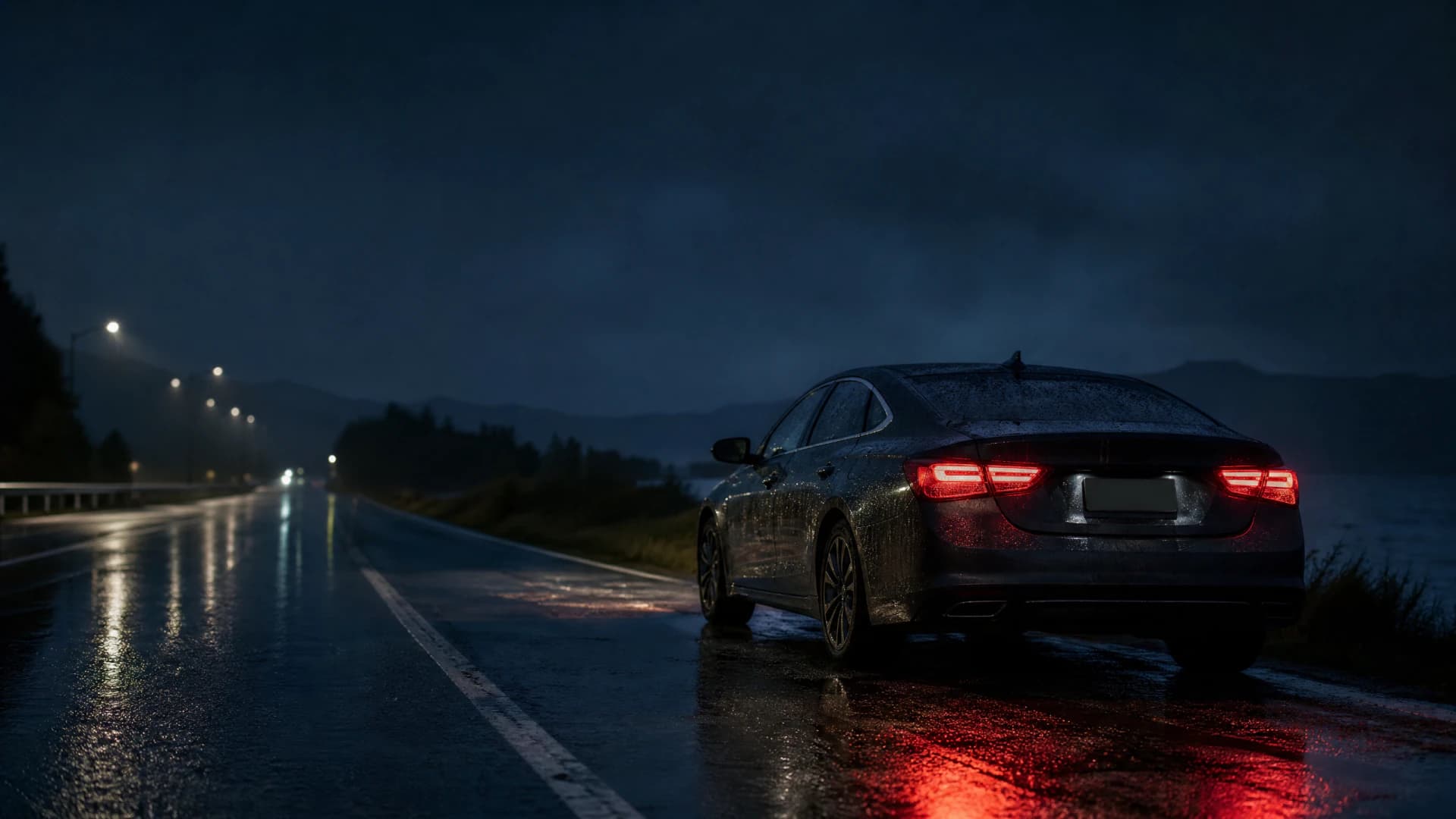
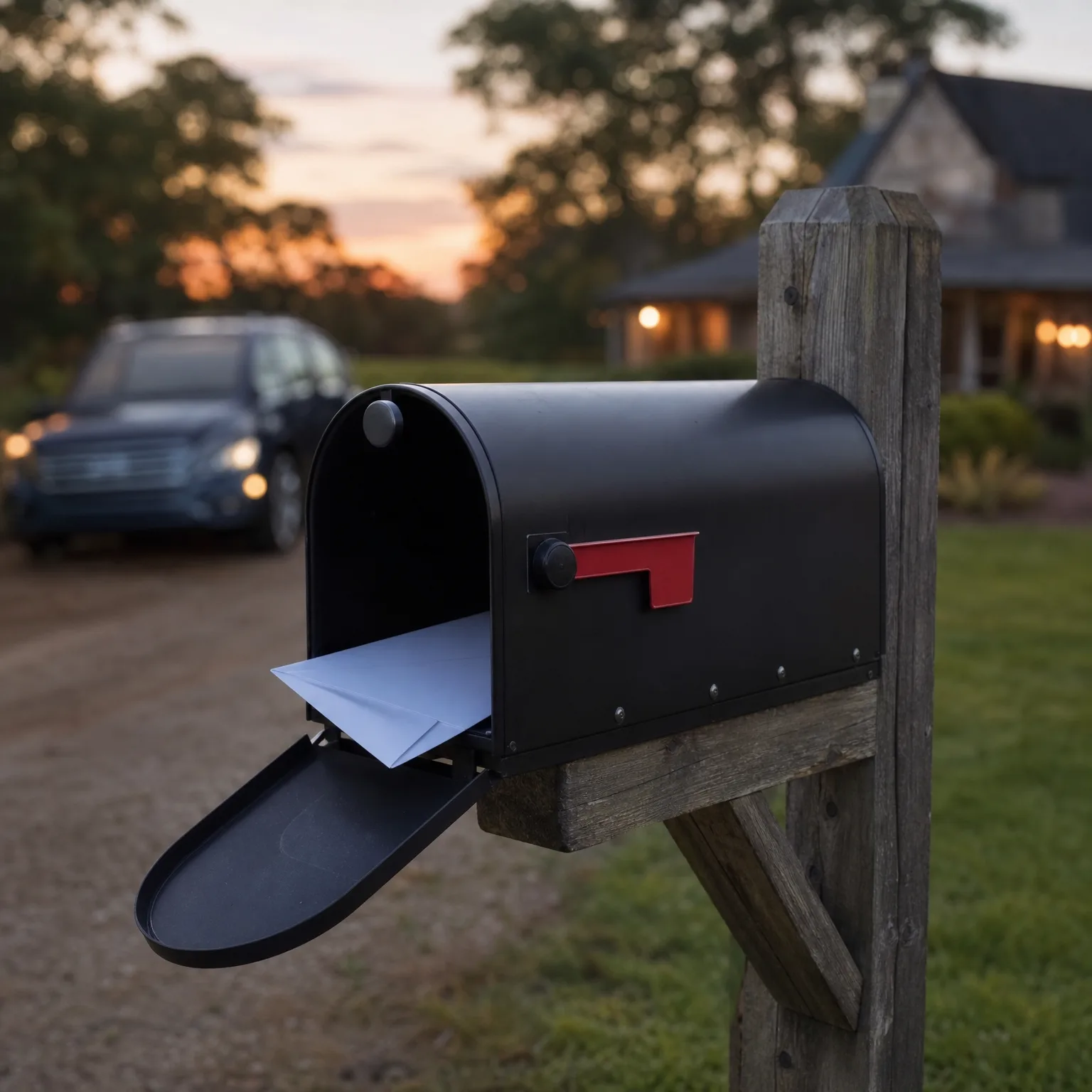
Your non-owner SR-22 filing lapses the moment your policy cancels for non-payment. DPS receives electronic notice within 24 hours and your suspension reinstates automatically — even if you're mid-ODL period.



Maintaining Continuous Coverage Through the Full Filing Period
Texas requires continuous SR-22 coverage for 2 years from your reinstatement date for most DUI, uninsured driving, and liability-related suspensions. Any lapse in coverage — even one day — triggers an automatic suspension. Your carrier is legally required to notify DPS electronically when your policy cancels for any reason: non-payment, voluntary cancellation, or carrier-initiated cancellation. DPS receives that notice within 24 hours and your license suspends automatically. There is no grace period.
If your policy lapses, you must purchase a new non-owner SR-22 policy and refile with DPS. The 2-year clock does not restart from the lapse date — it restarts from your new reinstatement date, which means any time you had already served under the original filing is lost. You also pay the $125 reinstatement fee again. Set up automatic payments and monitor your bank account to prevent non-payment lapses. If you need to switch carriers, do not cancel your current policy until the new carrier confirms your new SR-22 filing is active with DPS.
After 2 years of continuous coverage, your SR-22 filing obligation ends. Your carrier will not automatically notify you when the filing period expires — you are responsible for tracking the end date. Once the period ends, you can drop the non-owner policy if you still don't own a vehicle, or switch to a standard liability policy without SR-22 filing. If you purchase a vehicle during the SR-22 filing period, you must transfer your SR-22 filing to a standard auto policy that covers the vehicle. Non-owner policies do not cover vehicles you own.
1 business day
SR-22 Electronic Filing Window
Texas carriers transmit SR-22 certificates to DPS electronically within 1 business day of policy purchase in most cases. DPS updates your driving record within 24–48 hours of receiving the filing. Paper copies mailed to you take 7–10 days but are not required for reinstatement — the electronic filing controls.
Texas Transportation Code §601.153
Non-Owner SR-22 and Occupational Driver License Eligibility
Texas Occupational Driver Licenses require SR-22 filing as a condition of issuance. The court order granting your ODL will explicitly state that you must maintain SR-22 coverage for the duration of the ODL period and typically for 2 years beyond your full license reinstatement. You cannot petition for an ODL until you have active SR-22 coverage on file with DPS. Purchase your non-owner SR-22 policy before your court hearing and bring proof of filing — either the electronic confirmation from your carrier or the paper SR-22 certificate — to the hearing.
If your non-owner SR-22 policy lapses while you hold an ODL, your ODL becomes invalid immediately. DPS does not send a separate notice — the lapse itself voids the court's authorization to drive. If you're stopped by law enforcement after a lapse, you're driving on a suspended license, which is a Class B misdemeanor in Texas under Transportation Code §521.457. The court can revoke your ODL permanently and extend your full suspension period. Treat your SR-22 policy payment as non-negotiable while your ODL is active.
What Happens When You Buy a Vehicle During the Filing Period
If you purchase a vehicle while holding a non-owner SR-22 policy, you must immediately switch to a standard auto insurance policy with SR-22 filing. Non-owner policies explicitly exclude coverage for vehicles you own or have regular access to. Call your carrier the day you purchase the vehicle and request a policy conversion. Most carriers can transfer your SR-22 filing from the non-owner policy to a standard policy without triggering a lapse, but you must initiate the change before driving the vehicle. If you drive the newly purchased vehicle under your non-owner policy, you have no coverage — the non-owner policy will deny any claim.
The standard auto policy premium will be higher than your non-owner premium because it includes liability coverage for a specific vehicle plus optional collision and comprehensive coverage. The SR-22 filing fee itself does not change — carriers typically charge $15–$25 to attach SR-22 filing to any policy, non-owner or standard. Your 2-year SR-22 filing clock does not reset when you convert from non-owner to standard coverage as long as the filing remains continuous. Coordinate the effective dates with your carrier to avoid any gap between the non-owner policy end date and the standard policy start date.
Compare Non-Owner SR-22 Carriers Licensed in Texas
Not every carrier writes non-owner SR-22 policies. Standard-tier carriers like State Farm, GEICO, Progressive, and USAA offer non-owner coverage in Texas, but their underwriting is stricter for drivers with DUI or multiple violations — you may not qualify or may receive a higher-tier rate. Non-standard carriers specializing in high-risk drivers — Dairyland, The General, GAINSCO, Bristol West, Direct Auto — write non-owner SR-22 policies specifically for suspended-license drivers and often quote lower premiums for this audience. Acceptance Insurance and Kemper also write non-owner SR-22 in Texas and actively market to post-suspension drivers.
Request quotes from at least three carriers. Premium differences for the same coverage limits can exceed $40/month depending on your violation type, age, county, and how long ago the suspension occurred. All carriers must file the same SR-22 form with DPS — the form itself is standardized — so the only variables are premium cost, payment flexibility, and customer service quality. Verify that the quoted policy includes SR-22 filing before purchasing. Some carriers quote a base non-owner policy and add the SR-22 filing fee as a separate line item at checkout.
How to File Non-Owner SR-22 with Texas DPS
Contact a carrier licensed to write non-owner SR-22 policies in Texas. Not all carriers offer non-owner coverage — standard-tier carriers like State Farm and Allstate write it in Texas, but many non-standard carriers (Dairyland, The General, GAINSCO) specialize in it and often quote lower premiums for drivers with violations. Request a non-owner liability policy with SR-22 filing. The carrier will ask for your Texas driver license number, suspension details, and the reinstatement date DPS provided when you applied for your Occupational Driver License or completed your suspension period. Provide accurate dates — the 2-year SR-22 filing period is calculated from your reinstatement date, not the date you purchase the policy.
The carrier files the SR-22 certificate electronically with DPS within 1 business day of policy purchase in most cases. DPS updates your driving record to show active SR-22 coverage. You receive a paper copy of the SR-22 form in the mail within 7–10 days, but DPS processes the electronic filing before the paper copy arrives. If you're applying for an ODL, bring the electronic confirmation or paper SR-22 to your court hearing as proof of financial responsibility. If you're reinstating after a completed suspension, DPS will not process your reinstatement until the SR-22 filing shows active in their system.
Get Your Free Quote
Get My Texas Suspended License Insurance QuoteFrequently Asked Questions
Can I use my friend's car insurance to satisfy my Texas SR-22 requirement?
No. SR-22 is a filing tied to your driver license number, not the vehicle. Texas DPS requires you to maintain your own SR-22 policy in your name. Your friend's policy covers their vehicle and their household drivers; it does not satisfy your personal SR-22 filing obligation.
How much does non-owner SR-22 insurance cost in Texas per month?
Non-owner SR-22 policies in Texas typically cost $45–$75 per month for state minimum liability coverage. Rates vary by your age, violation history, county, and carrier. DUI-related suspensions generally result in premiums at the higher end of this range.
What happens if my non-owner SR-22 policy lapses in Texas?
Your license suspends automatically the moment your SR-22 policy cancels. Carriers notify DPS electronically within 24 hours of cancellation. There is no grace period. You must purchase a new policy, refile SR-22 with DPS, and pay the $125 reinstatement fee again. Your 2-year SR-22 filing clock restarts from the new reinstatement date.
Does non-owner SR-22 cover rental cars in Texas?
Non-owner SR-22 policies typically do not cover rental vehicles unless you purchase a rental car endorsement. Rental agencies require their own liability coverage or proof that your policy extends to rentals. Verify rental coverage explicitly with your carrier before driving a rental car under a non-owner policy.
Can I get an Occupational Driver License in Texas without SR-22 insurance?
No. Texas requires SR-22 filing as a condition of ODL issuance. You must purchase and file SR-22 coverage with DPS before your court hearing. Bring proof of active SR-22 filing to the hearing — the court will not grant an ODL without it.
How long does it take for Texas DPS to process my SR-22 filing?
Carriers transmit SR-22 certificates to DPS electronically within 1 business day of policy purchase. DPS updates your driving record within 24–48 hours of receiving the filing. You receive a paper copy in the mail within 7–10 days, but the electronic filing is what DPS uses for reinstatement processing.
Do I still need non-owner SR-22 after I buy a car in Texas?
No. Non-owner policies exclude vehicles you own. When you purchase a vehicle, you must immediately switch to a standard auto insurance policy with SR-22 filing. Your carrier can transfer the SR-22 filing from the non-owner policy to the standard policy without triggering a lapse if you coordinate the effective dates.