
Non-Owner SR-22 Insurance With No Deposit — Texas
Free to compare
The Non-Owner SR-22 Deposit Problem Texas Suspended Drivers Face
You received your Texas DPS reinstatement letter listing SR-22 as a condition, but you sold your vehicle after the suspension or never owned one. You call carriers expecting a simple liability policy and learn three things immediately: most carriers won't write non-owner SR-22 at all, the few that do want deposits between $200 and $500, and nobody explains why a policy covering a vehicle you don't own costs more upfront than standard auto insurance.
The deposit barrier is structural, not personal. Carriers price non-owner SR-22 policies as higher-risk products because the filing requirement signals a violation history, and the absence of a vehicle-specific underwriting anchor removes their primary risk assessment tool. Texas does not regulate non-owner policy deposits the way it regulates standard auto deposits, leaving carriers free to set minimums that reflect perceived rather than actuarial risk. Six carriers operating in Texas write non-owner SR-22 policies with deposits under $100, but three of those six restrict availability by county and two require broker placement rather than direct online purchase.
“Non-owner policies carry lower claim frequency than standard auto, yet deposits often reach 40–50 percent of six-month premium because Texas caps don't apply.”

Line Up Texas Coverage Before Reinstatement
Get My Texas Suspended License Insurance Quote$0–$75
Lowest Non-Owner SR-22 Down Payment TX
Dairyland, GAINSCO, and The General offer non-owner SR-22 policies in Texas with zero or minimal down payments when the first month's premium is paid at binding. Deposits increase when payment plans extend beyond 30 days or when the applicant's violation includes DWI with prior infractions.
Carrier underwriting guidelines, Texas Department of Insurance filings
What Non-Owner SR-22 Actually Covers in Texas
A non-owner SR-22 policy provides liability coverage when you drive a vehicle you do not own — a borrowed car, a rental, a friend's vehicle — and satisfies Texas DPS proof-of-financial-responsibility requirements during your reinstatement period. The policy does not cover damage to the vehicle you are driving; it covers bodily injury and property damage you cause to others. Texas minimum liability limits apply: $30,000 per person injured, $60,000 per accident for all injuries, and $25,000 for property damage.
The SR-22 certificate itself is not insurance. It is a filing from the carrier to Texas DPS confirming you hold a qualifying liability policy. DPS requires continuous SR-22 filing for the duration specified in your reinstatement letter — typically 2 years from the reinstatement date for DWI-related suspensions under Texas Transportation Code §601.153. If your non-owner policy lapses or cancels for non-payment, the carrier notifies DPS within 10 days and your license suspends again immediately.
Non-owner policies exclude household members with regular access to your vehicle, coverage for vehicles you own or lease, and commercial vehicle operation. If you later purchase a vehicle during the SR-22 filing period, you must convert to a standard owner policy and transfer the SR-22 filing to the new policy within 30 days to avoid a DPS lapse notification.
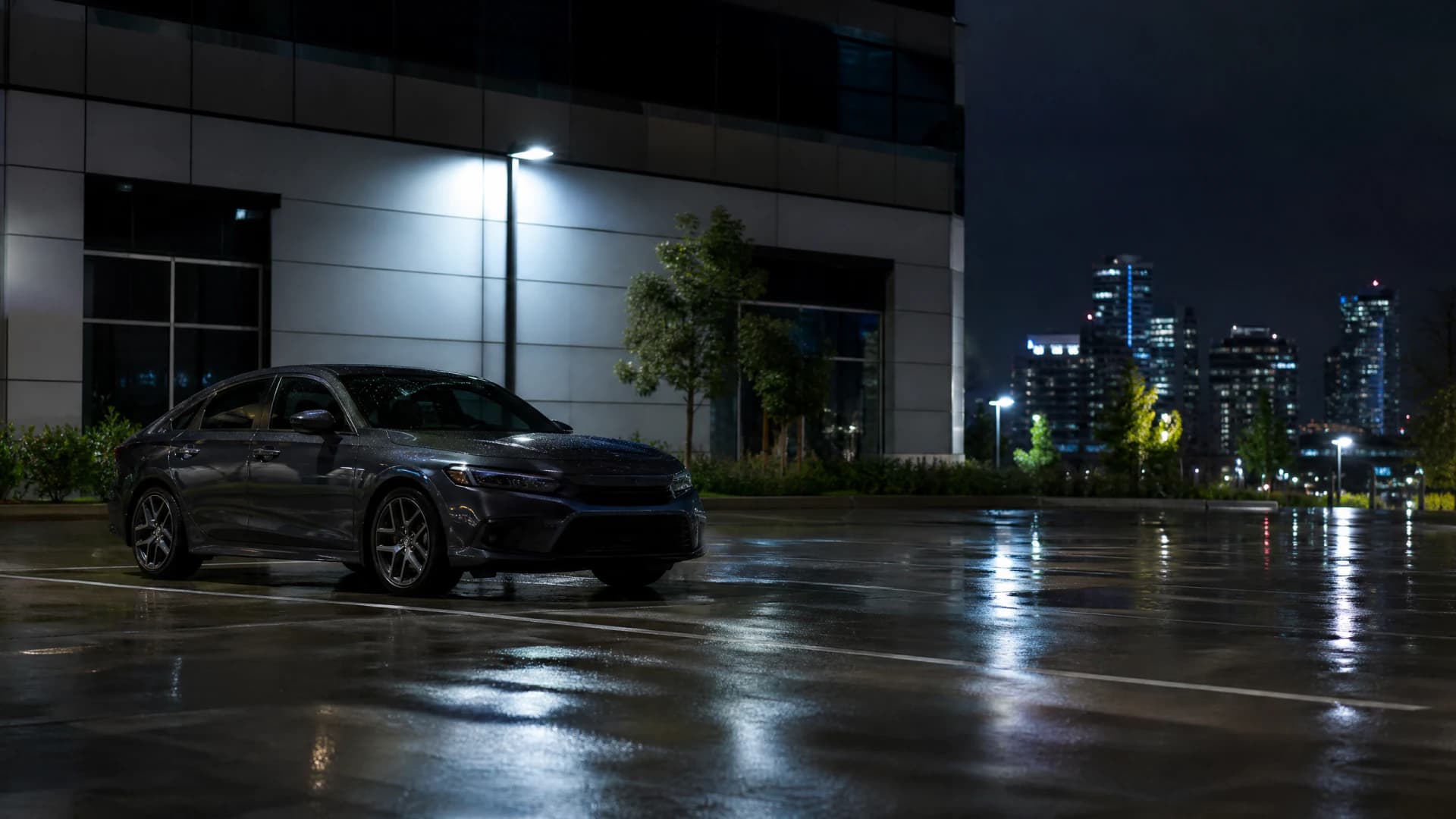
Texas DPS does not differentiate between owner and non-owner SR-22 filings — both satisfy reinstatement equally, but only six carriers in Texas write non-owner policies at all.




Why Carriers Demand Larger Deposits for Non-Owner SR-22 Policies
Carriers treat non-owner SR-22 as higher default risk because they cannot inspect or underwrite a specific vehicle. Standard auto policies anchor risk assessment to vehicle year, make, model, safety features, and garaging location. Non-owner policies remove that anchor entirely, leaving only the driver's violation history and the SR-22 filing requirement itself as underwriting signals. The result is a compressed risk pool where every applicant carries a recent violation and no offsetting vehicle-specific data exists to differentiate pricing.
Texas does not cap non-owner policy deposits the way it regulates standard auto deposits under Insurance Code Chapter 5. Most carriers writing standard auto in Texas cap deposits at 20–25 percent of the six-month premium to comply with competitive market norms. Non-owner SR-22 deposits often reach 40–50 percent of the six-month premium because no statutory ceiling applies and carriers price for perceived lapse probability rather than actuarial loss history.
The structural irony: non-owner policies carry lower claim frequency than standard auto policies because the insured drives less often and does not own a vehicle to drive daily. Industry loss data shows non-owner liability policies generate fewer claims per policy year than standard auto policies in the same risk tier. Deposits do not reflect claim probability — they reflect lapse probability and the administrative cost of SR-22 re-filing when payment fails.
10 days
Texas DPS SR-22 Lapse Notification Window
When a non-owner SR-22 policy cancels for non-payment or lapses, the carrier must notify Texas DPS within 10 days under Texas Transportation Code §601.157. DPS suspends your license immediately upon receiving the lapse notification, with no grace period. Reinstatement after SR-22 lapse requires paying a new $125 reinstatement fee in addition to obtaining a replacement SR-22 policy.
Texas Transportation Code §601.157

How to Reduce Your Non-Owner SR-22 Deposit in Texas
Pay the full first month's premium at binding rather than requesting a payment plan. Carriers calculate deposits as a percentage of total premium when payment is deferred beyond 30 days. When you pay the first month upfront, most carriers reduce or eliminate the separate deposit because you have already funded the first coverage period. Dairyland and GAINSCO both drop deposits to zero when the first month is paid in full at binding.
Request a six-month pay-in-full quote if you have access to $500–$800. Carriers eliminate deposits entirely when the full six-month premium is paid upfront because no lapse risk exists until renewal. Progressive and The General both waive deposits for six-month prepayment, and six-month prepayment often reduces total cost by 8–12 percent compared to month-to-month payment plans. If six-month prepayment is not feasible, request a three-month payment plan as a middle option — deposits drop by approximately 30–40 percent compared to monthly plans because the carrier's lapse exposure window shrinks.
Compare Non-Owner SR-22 Carriers Before You Commit
Non-owner SR-22 rates in Texas vary by $40–$90 per month between carriers for identical coverage and violation profiles. The General and Dairyland consistently quote 20–30 percent lower than Progressive and Geico for non-owner SR-22 in Texas metro counties, but Dairyland restricts online binding in rural counties and requires broker placement in approximately 40 percent of Texas ZIP codes. Progressive charges higher monthly premiums but processes everything online without broker involvement, reducing total time to SR-22 filing from 3–5 business days down to same-day when applications complete before 3 PM.
Request deposit breakdowns in writing before binding. Carriers often quote a single 'amount due today' figure that combines deposit, first month's premium, and SR-22 filing fee without itemization. The SR-22 filing fee itself ranges $15–$50 depending on carrier and is non-negotiable, but the deposit and premium components are separable. Ask the agent or online system to itemize all three components so you understand exactly what you are prepaying versus what constitutes a refundable deposit.
Check whether your county qualifies for online binding or requires broker placement. Six carriers write non-owner SR-22 in Texas, but only three — Progressive, The General, and Geico — allow fully online purchase statewide. Dairyland, GAINSCO, and Bristol West require agent or broker involvement in most counties, adding 1–2 business days to the SR-22 filing timeline. If your DPS reinstatement deadline is within 7 days, prioritize carriers offering online same-day SR-22 filing even if the monthly premium runs $15–$25 higher.
Six Texas Carriers Writing Non-Owner SR-22 With Low Deposits
Dairyland writes non-owner SR-22 policies with zero down payment when the first month's premium is paid upfront. The carrier specializes in non-standard auto and processes SR-22 filings electronically to DPS within 24 hours of policy binding. Monthly premiums for non-owner SR-22 in Texas typically range $85–$140 depending on violation type and county. Dairyland allows online quoting but requires phone binding for non-owner policies in most Texas counties. The General offers non-owner SR-22 with deposits as low as $49 when paid with the first month's premium. The carrier accepts DWI, multiple violations, and suspended license applicants without requiring broker placement. The General processes SR-22 filings same-day when applications are completed before 3 PM Central. Monthly premiums range $90–$150 for Texas non-owner SR-22 policies.
GAINSCO writes non-owner SR-22 with $75 down payment when combined with first month's premium, totaling approximately $160–$225 at binding depending on violation severity. GAINSCO operates as a Texas-domiciled carrier with underwriting focused on high-risk and SR-22 filings. The carrier allows online quoting but requires agent assistance for final binding in most cases. Progressive writes non-owner SR-22 policies online with deposits starting at $100 when the full first month's premium is paid at binding. Progressive's non-owner rates in Texas typically range $100–$175 per month, positioning the carrier at the higher end of the non-owner SR-22 market but offering the simplest online purchase process without broker involvement.
Get Your Free Quote
Get My Texas Suspended License Insurance QuoteFrequently Asked Questions
Can I get SR-22 insurance in Texas if I don't own a car?
Yes. Non-owner SR-22 policies provide liability coverage when you drive borrowed or rental vehicles and satisfy Texas DPS reinstatement requirements identically to standard SR-22 filings. Six carriers in Texas write non-owner SR-22 policies: Dairyland, The General, GAINSCO, Progressive, Geico, and Bristol West.
How much does non-owner SR-22 insurance cost per month in Texas?
Non-owner SR-22 policies in Texas typically cost $85–$175 per month depending on your violation type, county, and carrier. Dairyland and The General quote at the lower end of that range; Progressive and Geico quote at the higher end but offer faster online binding.
Do I need non-owner SR-22 insurance if I'm not driving at all during my Texas suspension?
Yes, if your DPS reinstatement letter lists SR-22 as a condition. Texas requires continuous SR-22 filing for the full duration specified in your reinstatement order — typically 2 years — regardless of whether you currently drive. Allowing the SR-22 to lapse triggers immediate re-suspension and a new $125 reinstatement fee.
Which Texas carriers offer non-owner SR-22 with zero down payment?
Dairyland offers non-owner SR-22 with zero down payment when you pay the first month's premium at binding. The General offers deposits as low as $49 when combined with the first month's premium. GAINSCO requires $75 down plus first month's premium, totaling approximately $160–$225 at binding.
How fast can I get SR-22 filed with Texas DPS after buying a non-owner policy?
Progressive, The General, and Geico process SR-22 filings to Texas DPS same-day when applications complete before 3 PM Central. Dairyland files within 24 hours. GAINSCO and Bristol West typically file within 1–2 business days. DPS updates your reinstatement eligibility within 3–5 business days of receiving the SR-22 from the carrier.
What happens to my non-owner SR-22 policy if I buy a car later?
You must convert to a standard owner policy and transfer the SR-22 filing to the new policy within 30 days of purchasing the vehicle. Notify your carrier immediately when you acquire a vehicle — most non-owner policies exclude coverage for vehicles you own, and driving your own vehicle under a non-owner policy voids coverage and can trigger an SR-22 lapse notification to DPS.