
High-Risk Auto Insurance — Texas

High-risk auto insurance covers drivers classified as high-risk due to suspended licenses, DUIs, excessive points, or lapses in coverage—often the only way to meet Texas SR-22 or reinstatement requirements. In Texas, expect to pay $180–$320/month for liability coverage with an SR-22 filing, roughly double standard rates.

Red Tesla Model S with severe front-end collision damage parked on concrete

Updated June 2026

What Is High-Risk Auto Insurance Insurance?

High-risk auto insurance is standard liability or full-coverage auto insurance sold to drivers the industry categorizes as high-risk: those with suspended licenses, recent DUI convictions, at-fault accidents, multiple tickets, or gaps in coverage history. The coverage itself is identical to standard policies—liability limits, collision, comprehensive—but carriers charge significantly higher premiums to offset expected claim frequency. Most suspended-license drivers need high-risk insurance to file an SR-22 certificate, which Texas requires for reinstatement after specific violations.
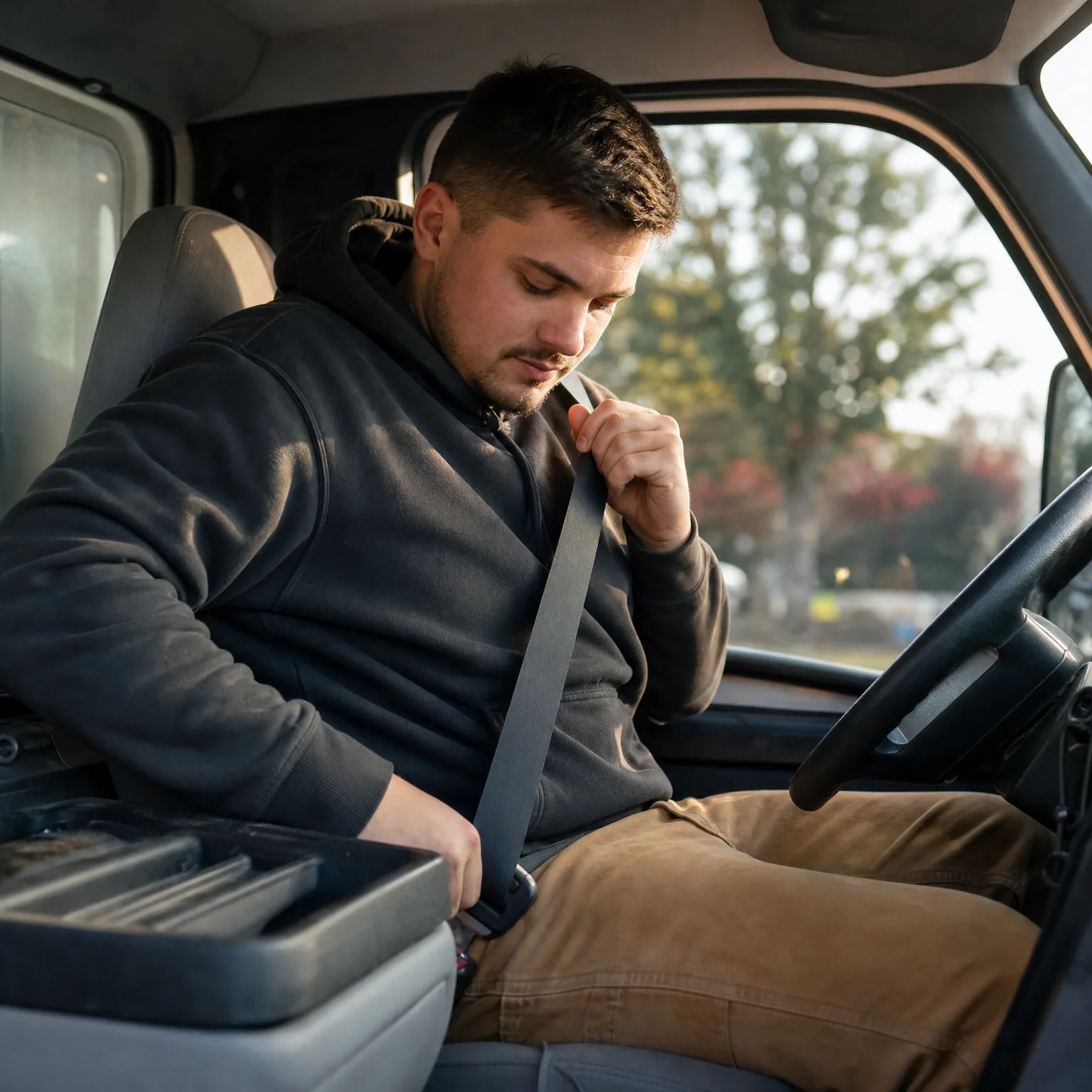
  • You're convicted of DWI in Texas and lose your license for 180 days. DPS requires SR-22 filing for two years post-reinstatement. You contact a high-risk carrier, purchase a liability policy with 30/60/25 limits for $240/month, and the carrier files the SR-22 electronically with DPS within 24 hours. The policy stays active for the full two-year SR-22 period—if you cancel early or miss a payment, DPS receives a notice and may re-suspend your license.
  • Your license is suspended for excessive points and you sold your car. You need SR-22 filing to begin the reinstatement process but have no vehicle to insure. You purchase a non-owner high-risk policy for $95/month, which provides liability-only coverage when you drive someone else's vehicle and satisfies the SR-22 requirement. Once your license is reinstated and you buy a car, you switch to a standard policy with comprehensive and collision.
  • Your license is suspended for failure to pay a traffic ticket. DPS does not require SR-22 filing—only proof you've paid the outstanding fine and the $125 reinstatement fee. You clear the ticket, pay the fee, and reinstate without needing high-risk insurance. You return to your previous carrier at standard rates because your driving record itself hasn't changed.

Who Needs High-Risk Auto Insurance Insurance?

You need high-risk insurance if your Texas suspension notice explicitly requires SR-22 filing—common after DUI/DWI, excessive points (four moving violations in 12 months or seven in 24 months), at-fault accidents without insurance, or driving while suspended. If you don't own a vehicle, a non-owner high-risk policy satisfies the SR-22 requirement at lower cost. Hardship license applicants in Texas must maintain continuous SR-22 coverage during the restricted-license period, making high-risk insurance mandatory for work or school driving privileges.
Read your DPS suspension notice first—it lists exact reinstatement requirements including SR-22. If SR-22 is required and you own a vehicle, get a standard high-risk policy with liability at minimum. If you don't own a vehicle, get a non-owner policy. If SR-22 is not required, resolve the underlying issue (pay fines, satisfy court orders) and reinstate without changing insurance. Contact DPS directly if the notice is unclear—guessing wrong delays reinstatement and wastes money on unnecessary coverage.

How Much Does High-Risk Auto Insurance Insurance Cost?

High-risk auto insurance in Texas typically costs $180–$320/month for minimum liability coverage with SR-22 filing, or $2,160–$3,840/year—roughly double the state average for standard-risk drivers.
  • SR-22 filing adds $15–$50/month in processing and administrative fees depending on the carrier.
  • DUI or DWI conviction can triple base rates for three to five years, even after reinstatement.

  • Multiple at-fault accidents in the past three years increase premiums by 40–80% per incident.
  • Lapses in coverage longer than 30 days trigger high-risk classification and raise rates 25–60%.
  • Young drivers under 25 with suspended licenses face the highest premiums, often exceeding $400/month.
  • Non-owner policies cost 30–50% less than standard policies because they exclude collision and comprehensive coverage.

Related Coverage Types

Get Your Free High-Risk Auto Insurance Quote